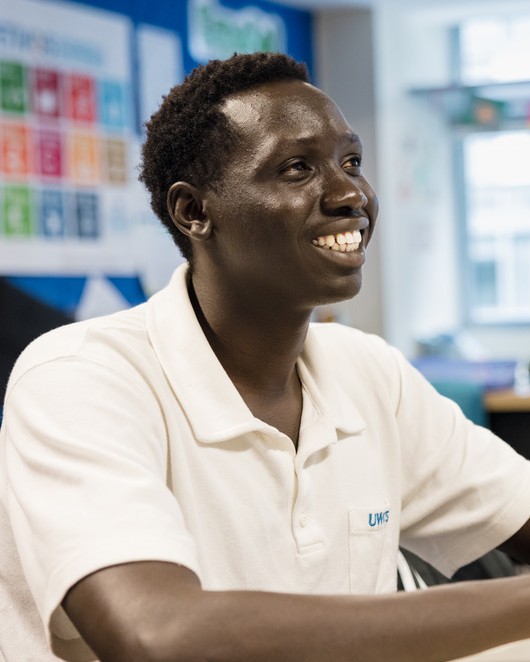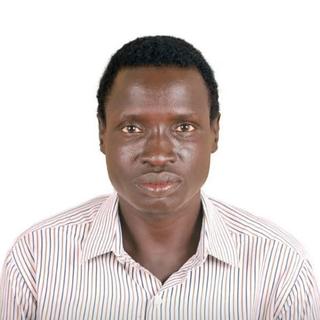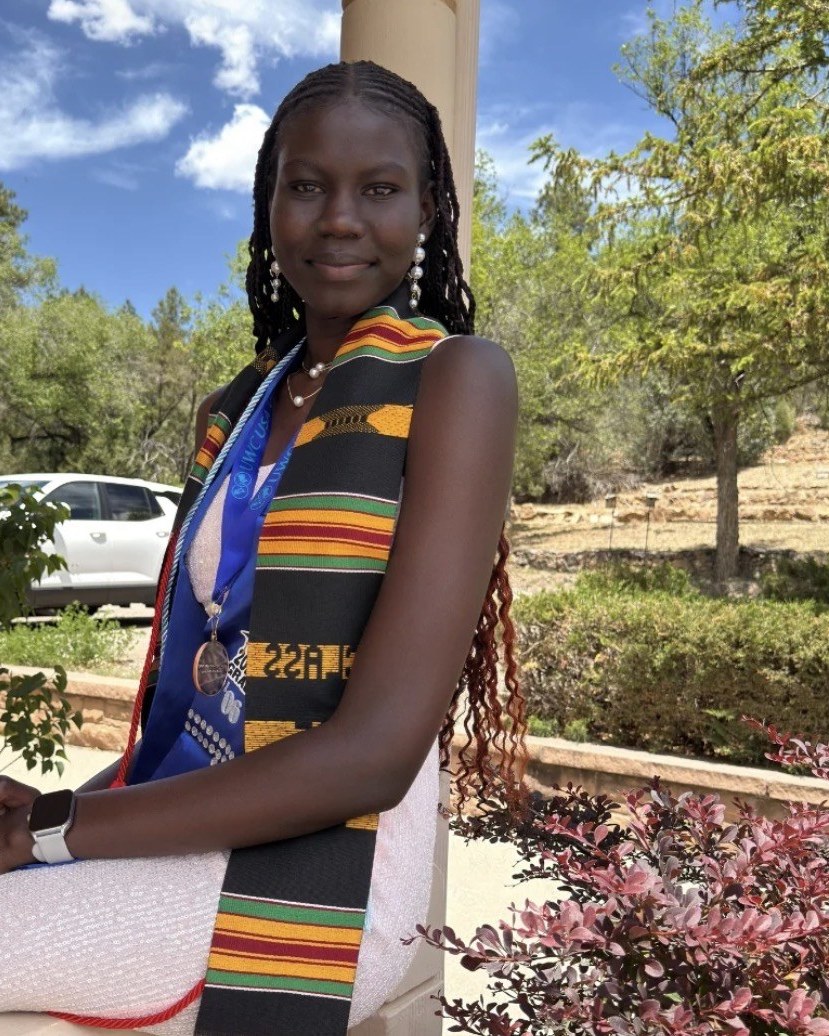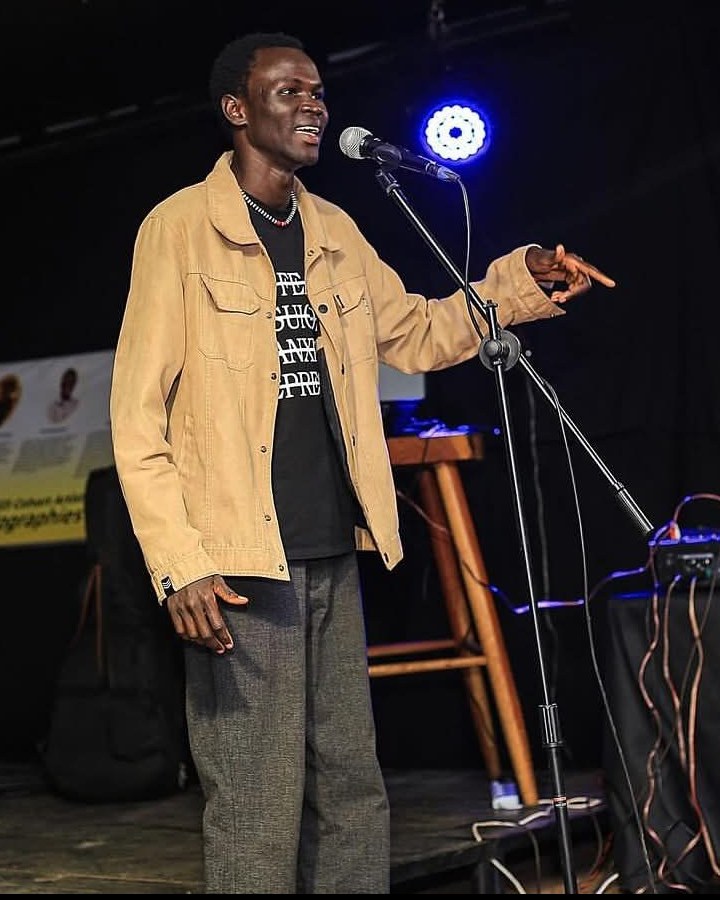
Peace begins with the youth.

Bringing together young South Sudanese to learn across differences, lead with compassion, and build a more united future.

Our Mission

To use education to foster peace and unite South Sudan — by investing in its greatest asset: the youth.

Youth-ledCreated and run by young South Sudanese
Refugee-foundedBorn in the Kiryandongo Refugee Settlement
U.S.-registered nonprofitStructured for transparency and accountability

Why We Exist

A generation growing up apart.

Years of conflict have separated millions of South Sudanese families and divided communities across borders and generations, while limited access to higher education has denied many young people the opportunity to learn, grow, and build meaningful relationships across difference. Without spaces to study, live, and learn together, a new generation risks inheriting the divisions of the past before they ever have the chance to understand one another.

South Sudan's future cannot be built on division. It must be built on understanding, collaboration, and mutual respect.
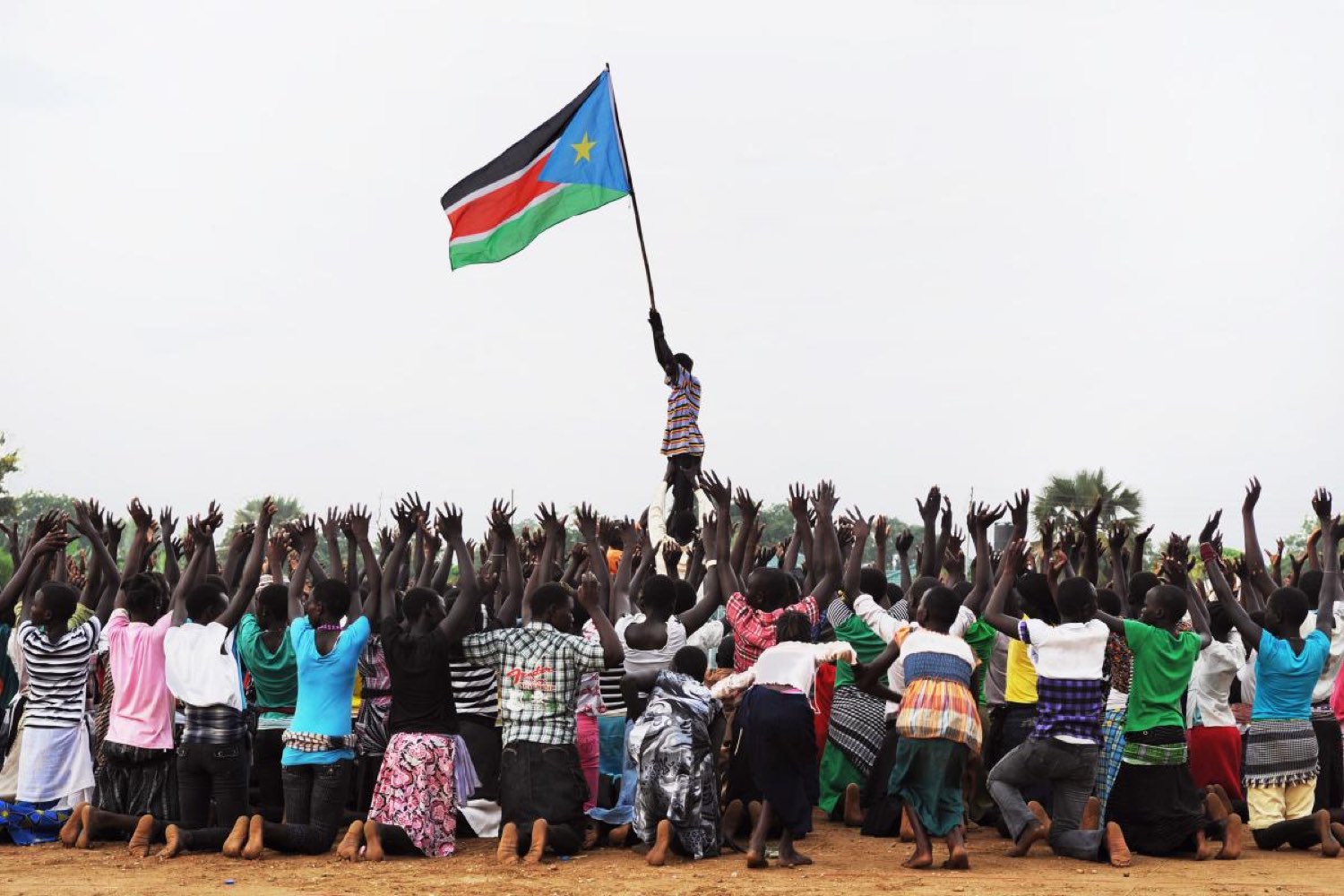
A young man raises the South Sudanese flag above a cheering crowd at Peace Cultural Day
Education Access< 1 in 10South Sudanese youth access higher education. Opportunity remains out of reach for most young people.
South Sudan's Diversity64 CommunitiesOur diversity is one of our greatest strengths. Conflict turned it into division — it does not have to stay that way.
One GenerationOur ResponseBring young people together before division becomes inherited.

So how do we change this?

How It Works

Connect. Learn. Lead. Give back.

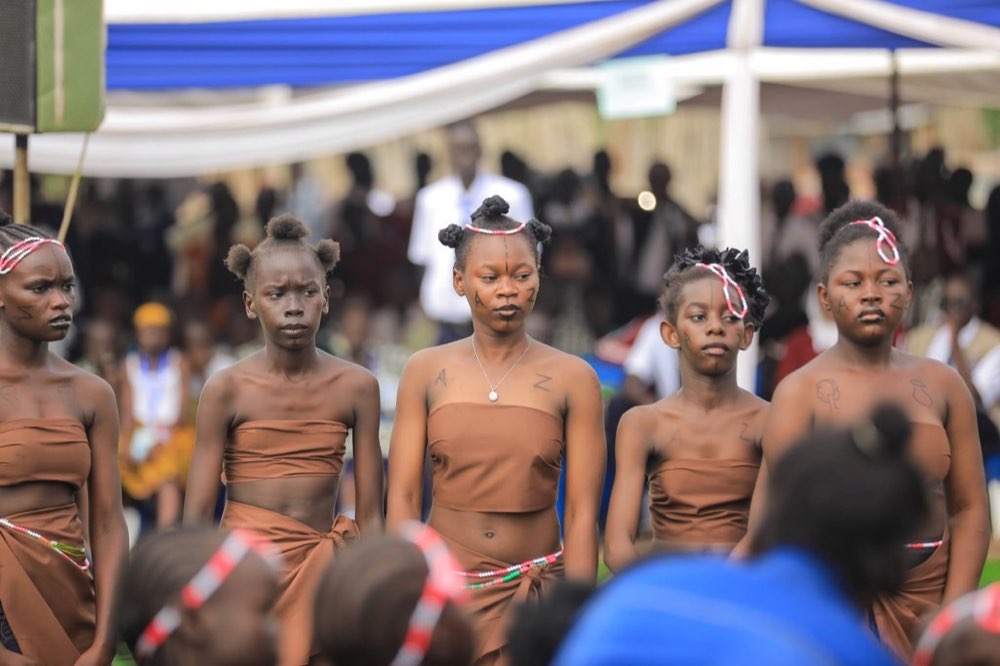
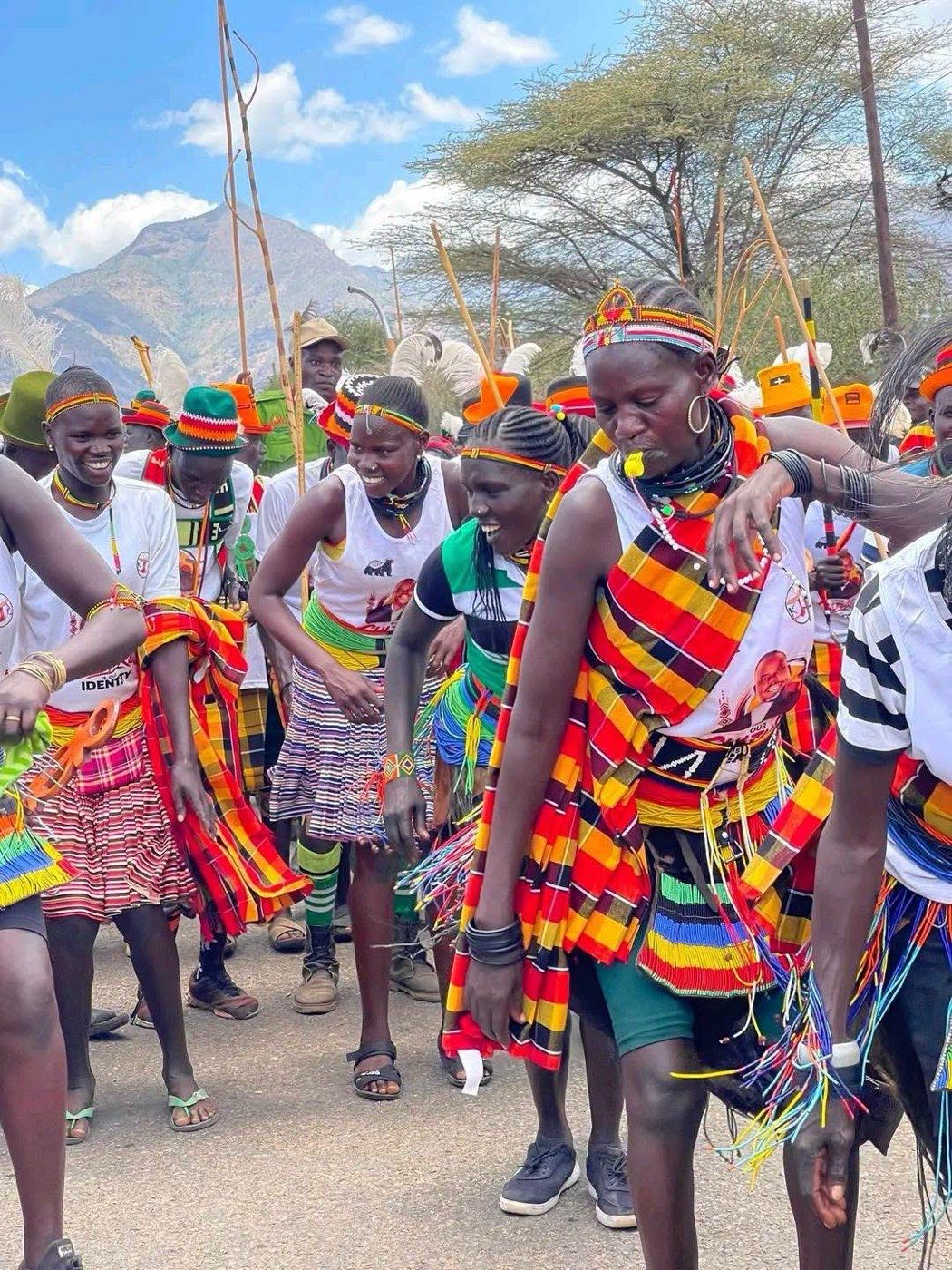
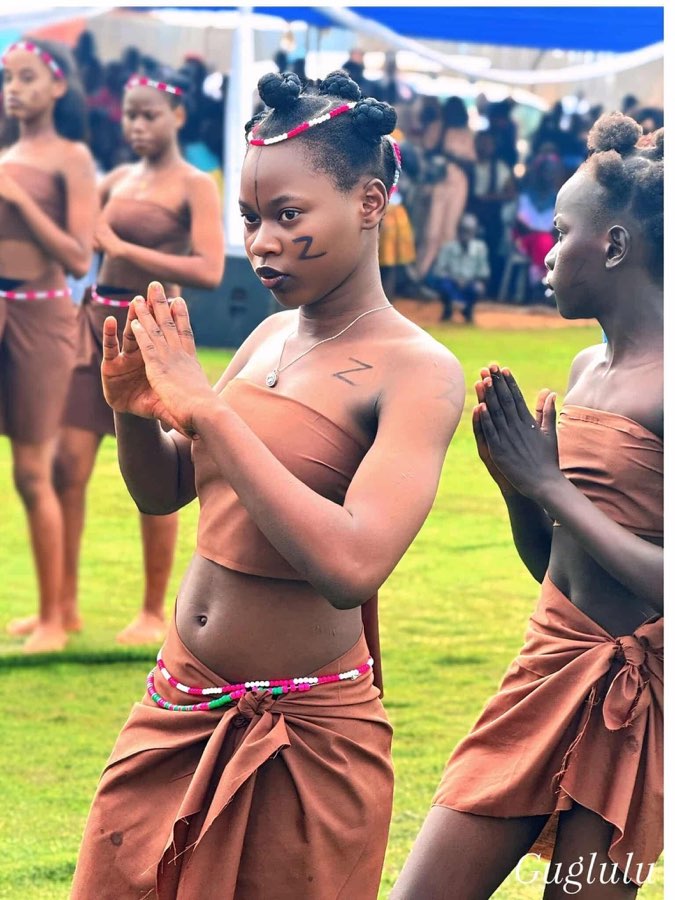
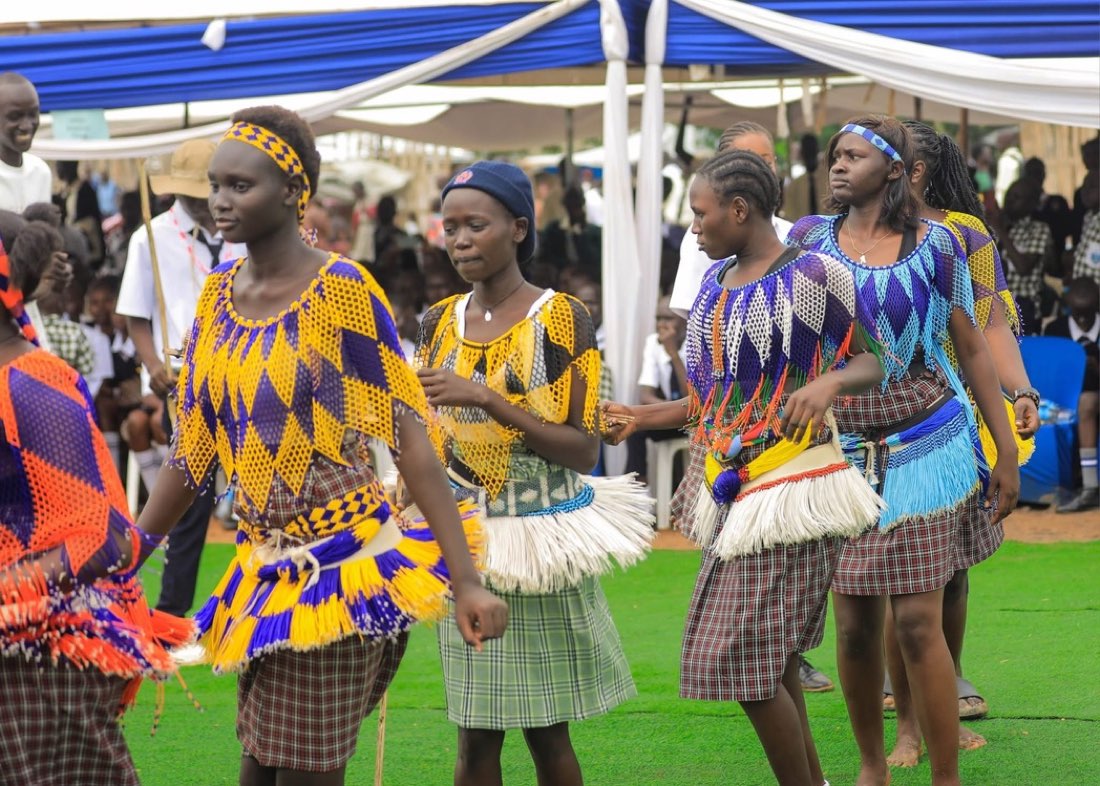
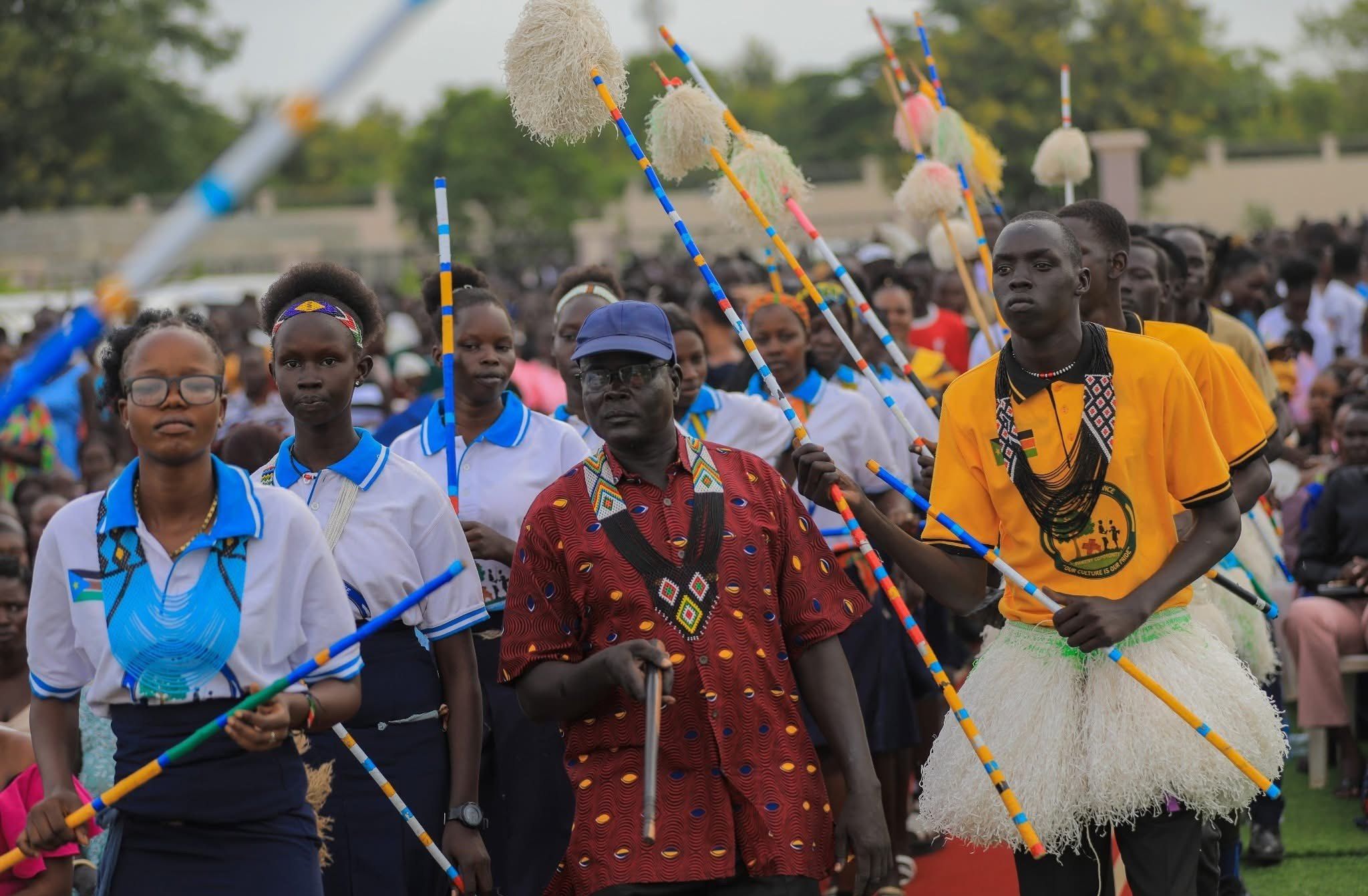
Dancers in beaded regalia at Peace Cultural Day
01 · Connect

Where connection begins

Young people from different communities meet through culture, dialogue, and shared experiences.

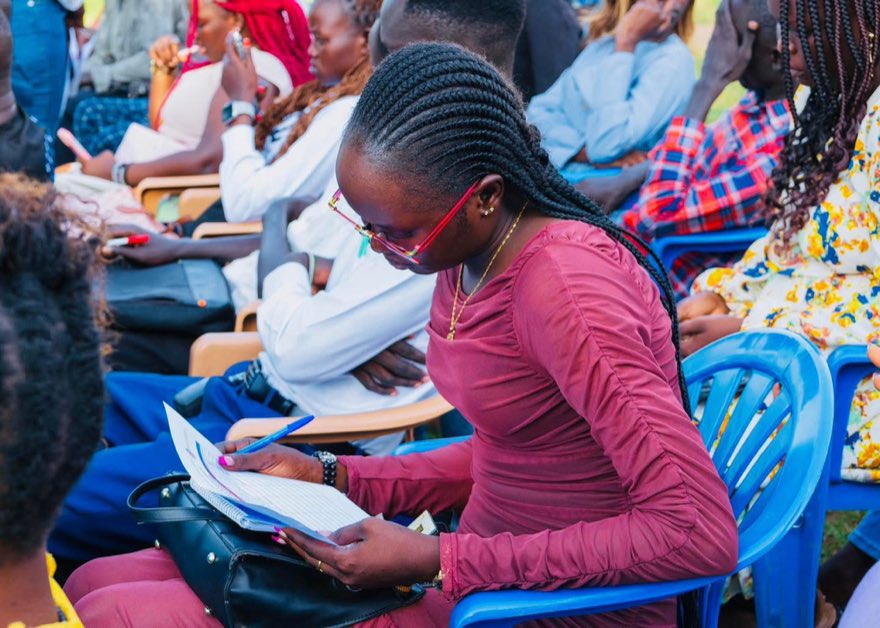
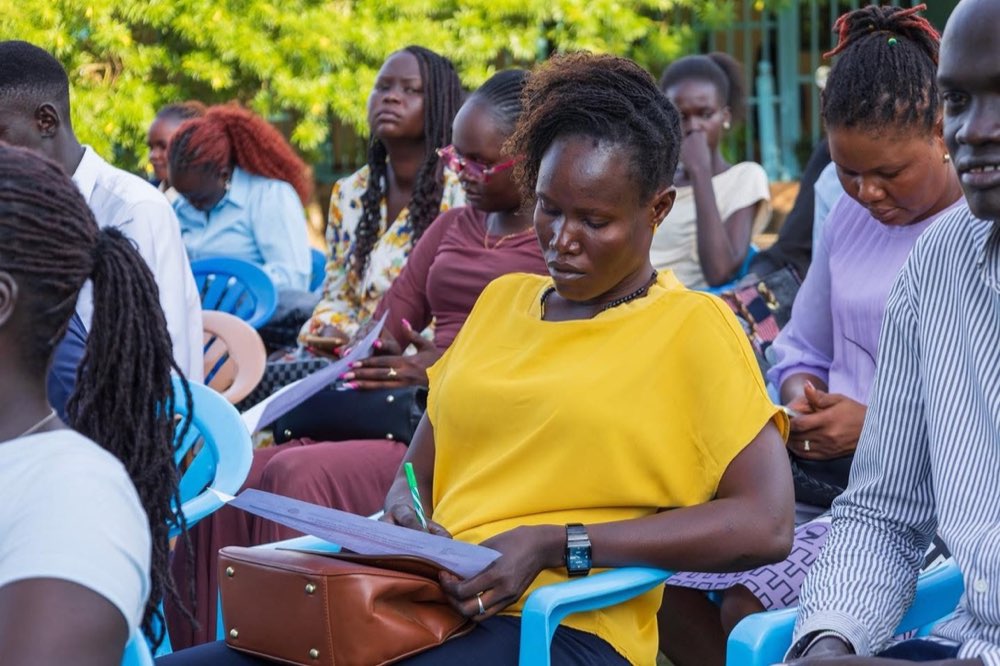
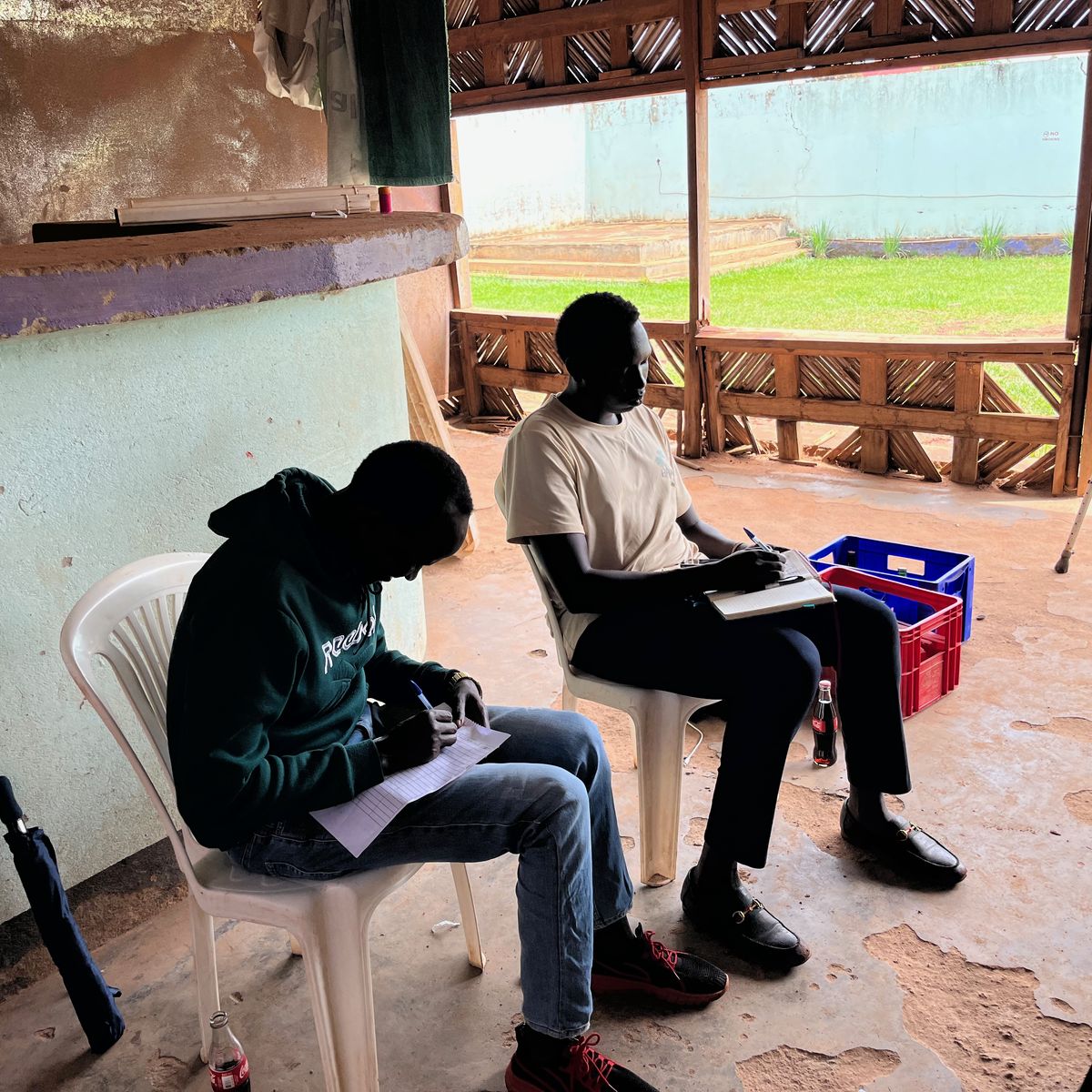
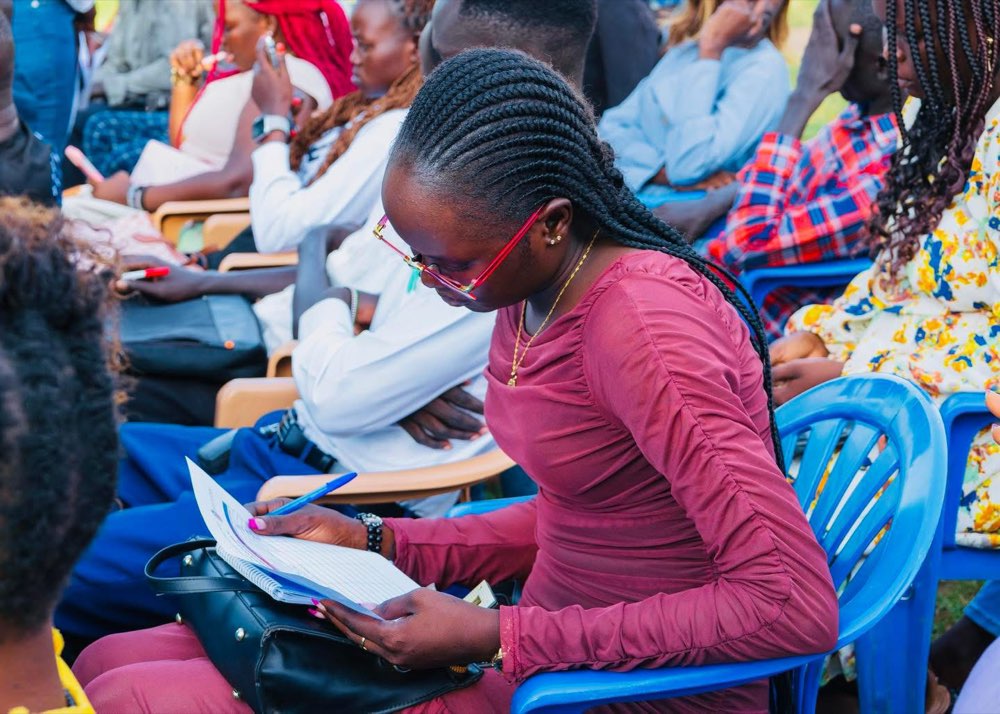
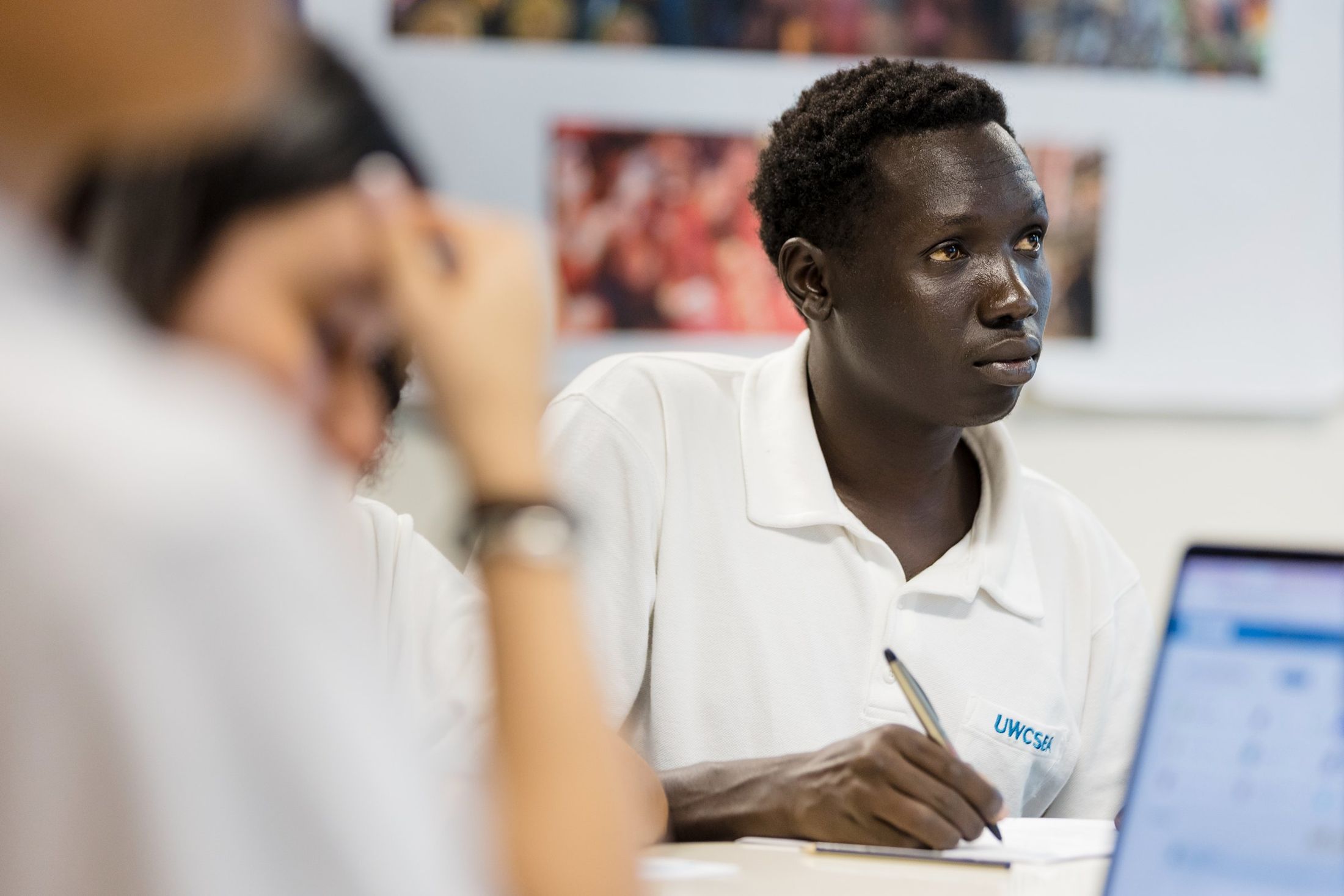
A student taking careful notes
02 · Learn

Learning across difference

Scholars study together while building peacebuilding, leadership, and conflict-resolution skills.

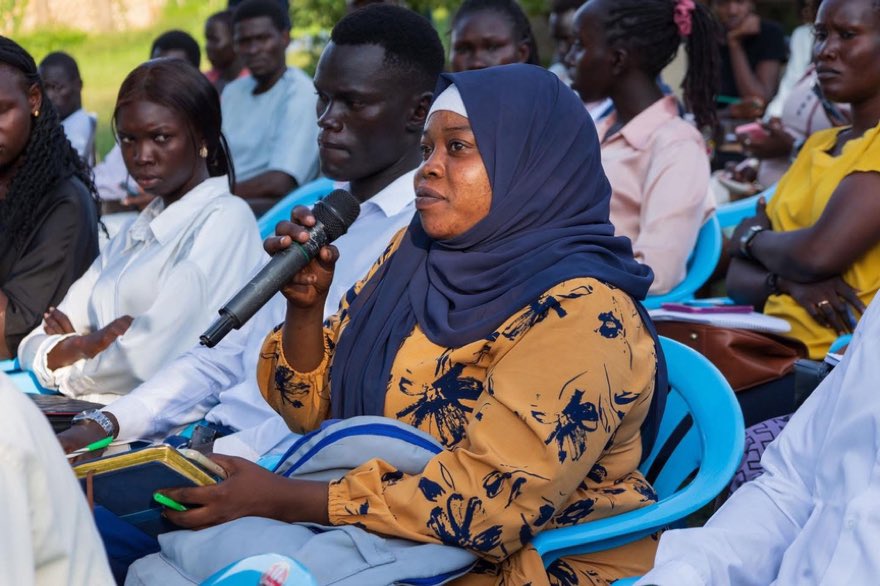
A young woman speaks into a microphone
03 · Lead

Growing into peace leaders

Scholars develop the confidence and skills to lead across differences.

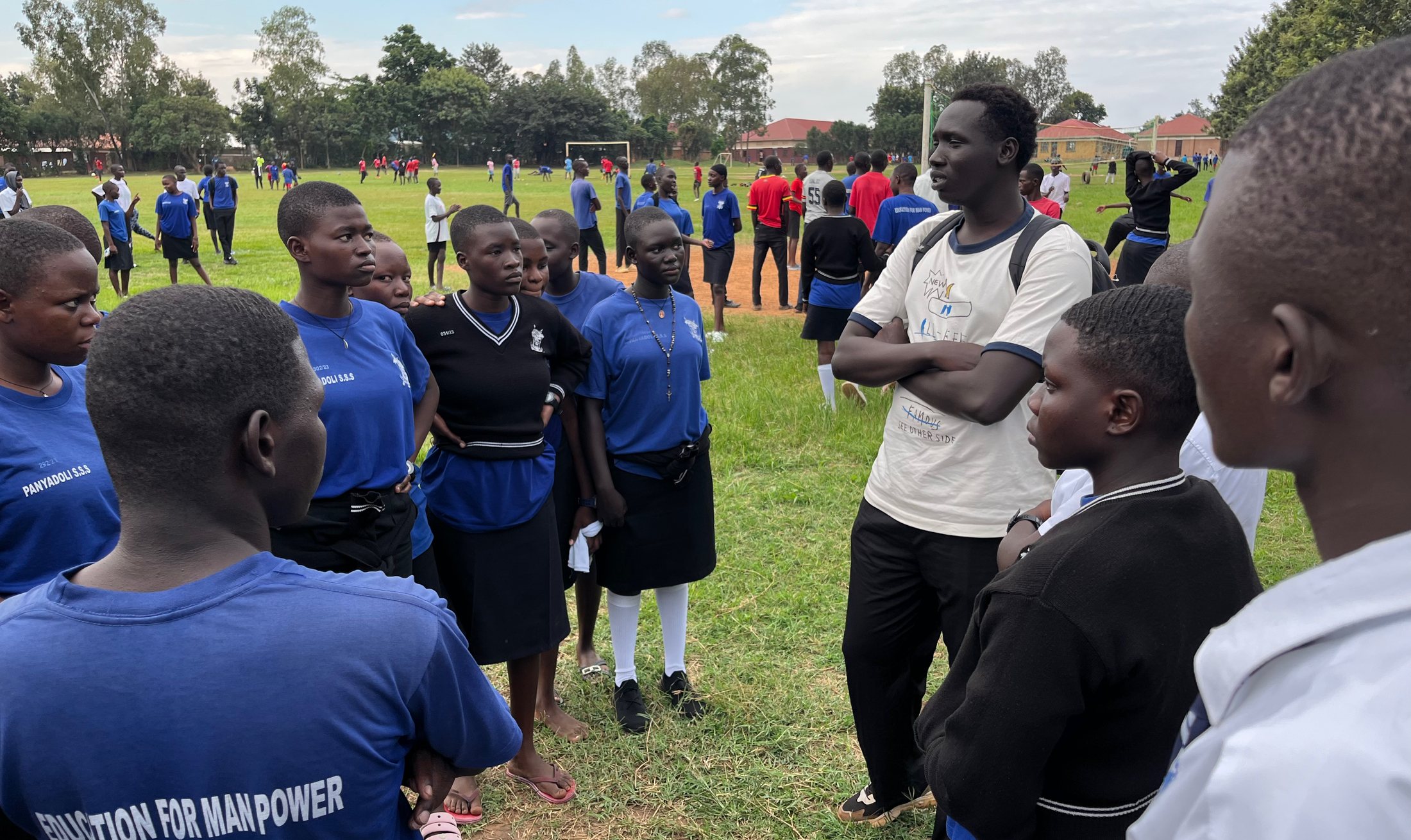
Young leader engaging a group of students during a community activity
04 · Give Back

Bringing peace home

Scholars turn what they learn into peace projects within their communities.

The journey takes four years — its impact lasts generations.

A Voice from Kiryandongo Refugee Settlement

"For the first time, I felt safe enough to speak as myself, not just my tribe."

— John Pitia, workshop participant, Kiryandongo Refugee Settlement, July 2025

John shared this after two days of peacebuilding training alongside young people from 18 other communities. His words capture what IfP-South Sudan is trying to create: spaces where young people can meet across difference, speak openly, and begin building trust with one another.

Read the voices from Kiryandongo Refugee Settlement

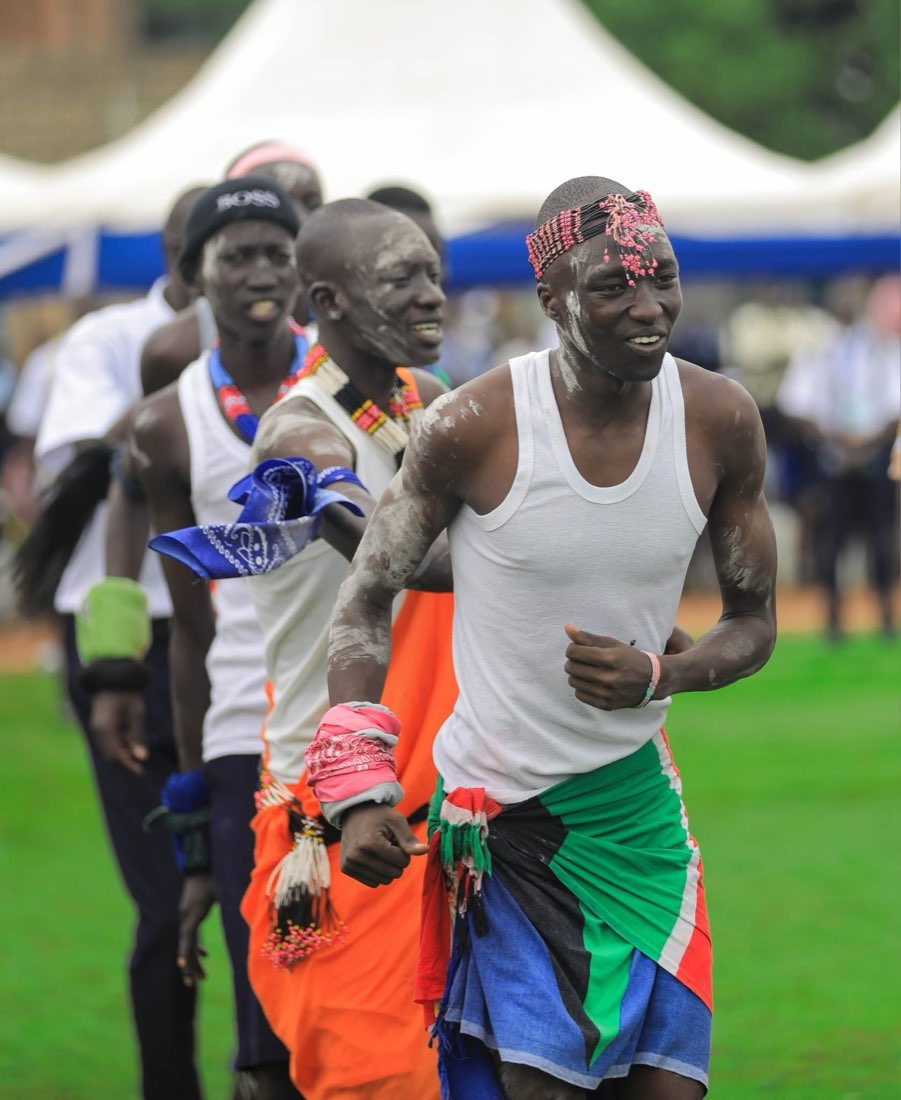
Young men in traditional dress dance in a joyful line, one wearing the South Sudanese flag
Two young women in traditional beaded necklaces at Peace Cultural Day

Flagship Program

More than a scholarship.
A peacebuilding journey.

Each cohort will bring together young South Sudanese from communities shaped by division. Scholars will pursue university education in Rwanda while learning alongside one another, developing as peace leaders, and preparing to carry that learning back into their communities.

Fully funded university education Ongoing peace and leadership development Community peace projects led by scholars

Explore the program

Support

Invest in the generation building
a more peaceful South Sudan.

Your support expands access to education, brings young people together across communities, develops peace leaders, and helps turn their ideas into action.

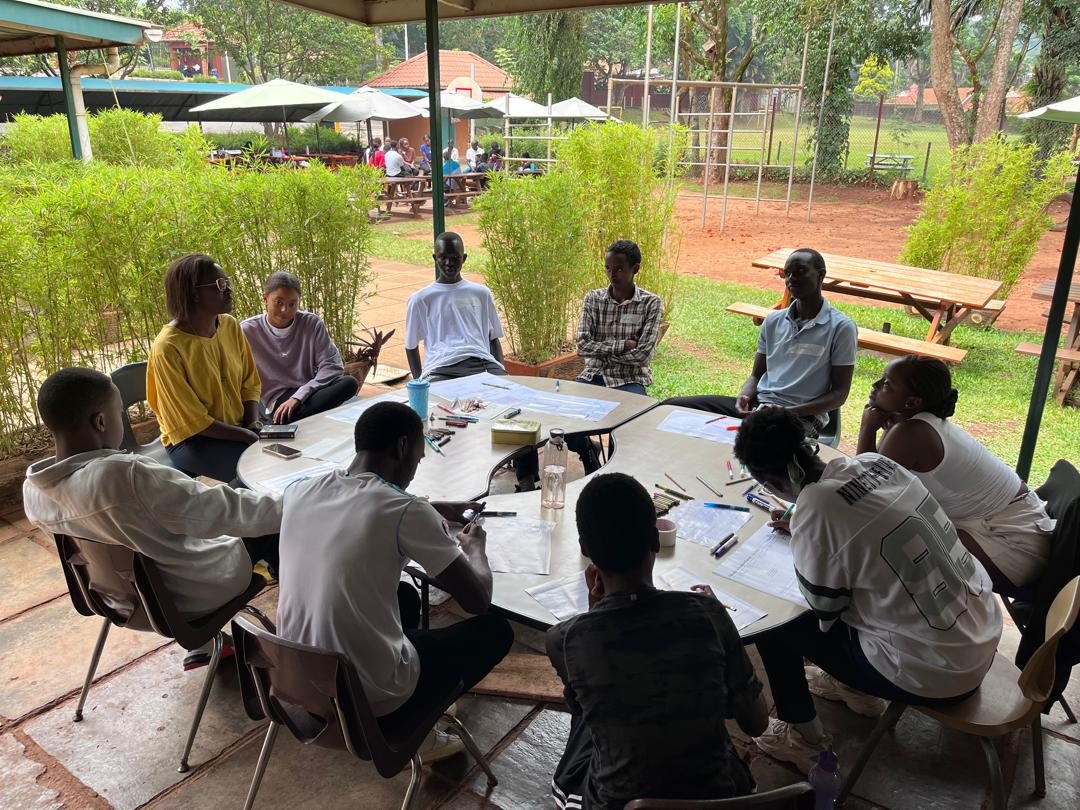
Young people seated around a table outdoors in discussion, with pens and paper in front of them

Peace is built by people.

Help create space for conversation across differences.

Give

501(c)(3) application pending — contributions expected to be tax-deductible retroactively upon approval.

More Ways to Build

There is more than one way to build peace.

Give, sponsor, fundraise, partner, volunteer, or help more people discover the work.

    Page 1 of 2

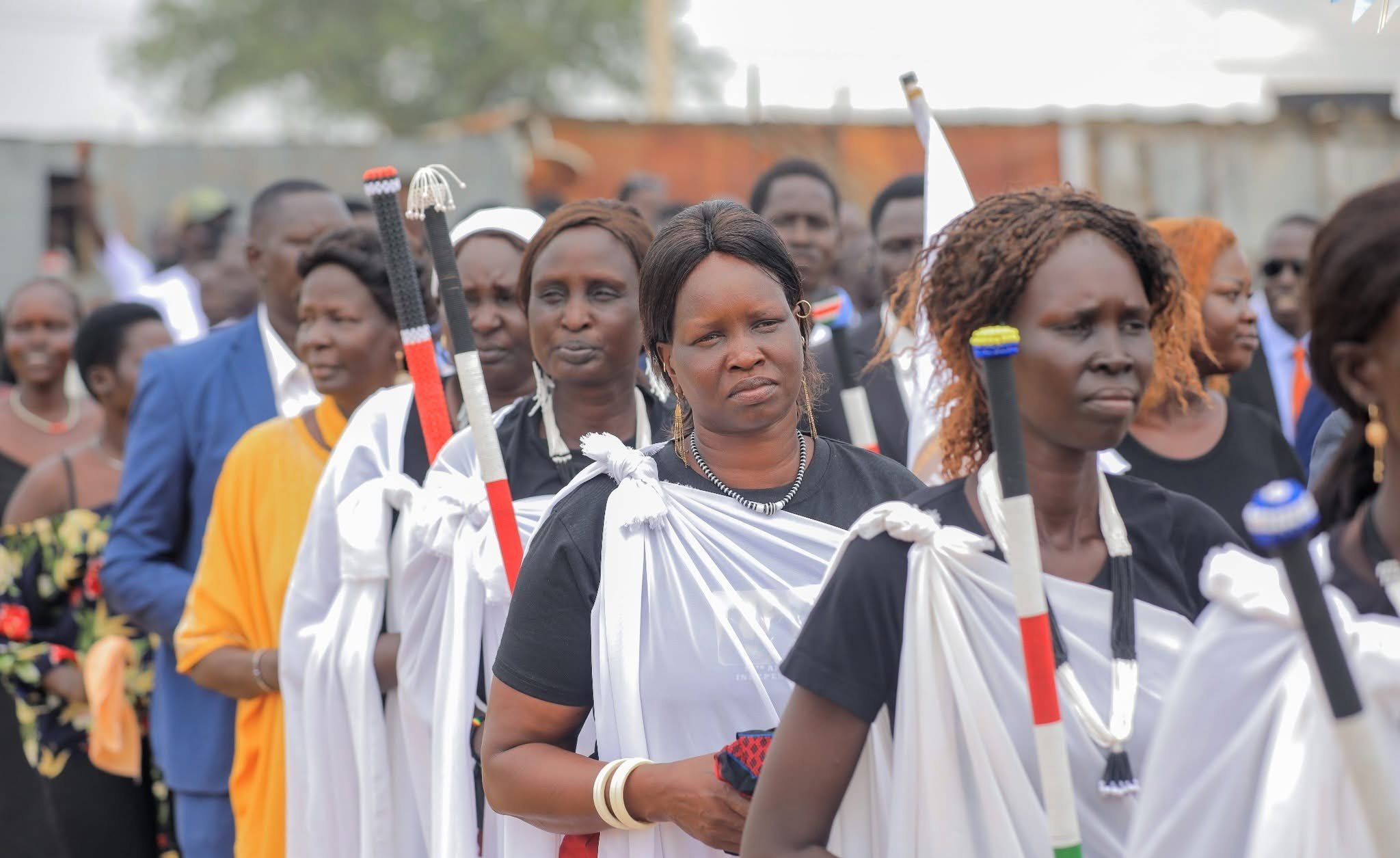
    Women in white robes walk in procession during Peace Cultural Day in Kiryandongo Refugee Settlement

    Our Story

    A journey from displacement to education — and a belief in something different.

    From South Sudan to Kiryandongo Refugee Settlement, UWC South East Asia, and the founding of IfP-South Sudan.

    The Question

    "Are we destined to live our entire lives as refugees? Will our children, too, grow up, live, die, and be buried as refugees?"

    Deng Aguer Bul grew up amid the consequences of South Sudan's conflict and later in Kiryandongo Refugee Settlement in Uganda. Displacement meant more than losing a place to call home. It disrupted education, separated families and communities, and shaped a generation growing up with uncertainty about what the future could hold.

    One question stayed with him: what would it take for the next generation to inherit something different?

    That question became part of the foundation for IfP-South Sudan.
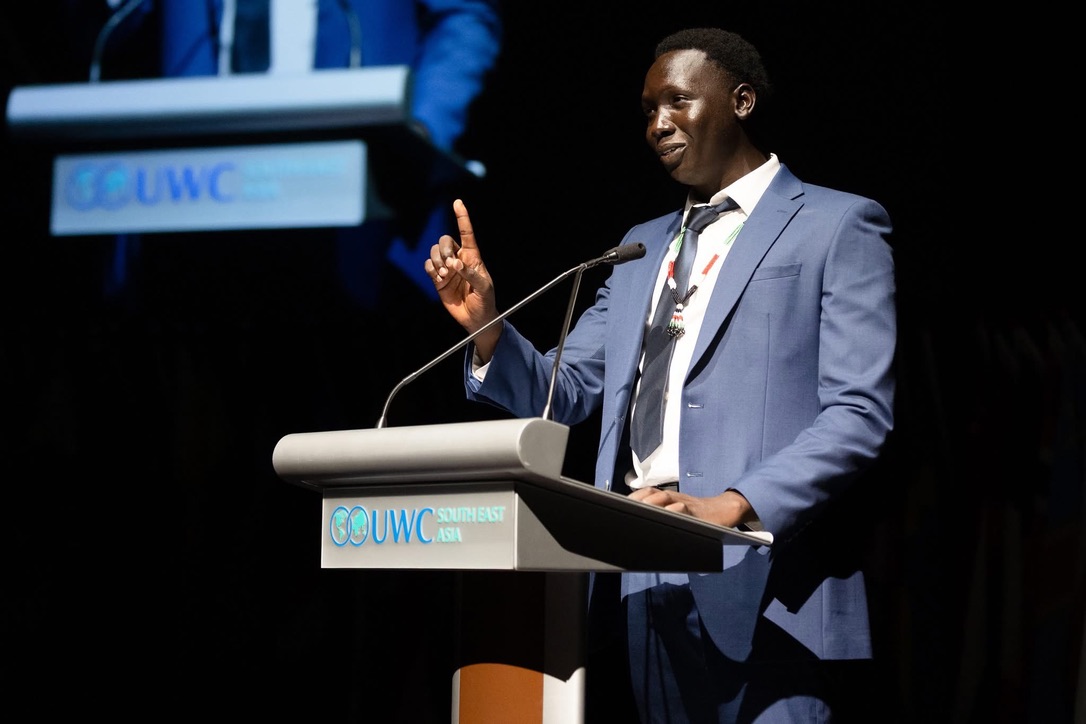
    Deng Aguer Bul speaking at UWC South East Asia

    The Journey

    From experience to action.

    Five moments that turned lived experience into a vision for IfP-South Sudan.

    1. 01Home

      South Sudan

      Where the story began — born into a country rich in culture and community, while growing up amid the realities of conflict and division.

    2. 02Displacement

      Kiryandongo Refugee Settlement, Uganda

      Displacement made the consequences of conflict deeply personal — interrupted education, separated communities, and a generation growing up far from home.

    3. 03Possibility

      UWC South East Asia, Singapore

      A scholarship opened the door to education in an intentionally diverse international community — and to a different way of seeing what learning could do.

    4. 04Conviction

      The Idea

      The realization that education could connect three things at once: opportunity, relationships across difference, and leadership.

    5. 05Action

      IfP-South Sudan

      The idea became an organization: a youth-led initiative combining education, peacebuilding, leadership, and community action.

    The Turning Point

    Education changed one life.
    Could it help bridge a divided nation?

    At UWC South East Asia, living and learning alongside people from different countries, cultures, and experiences changed Deng's understanding of what education could make possible. Education was not only a path to opportunity. It could also challenge assumptions, build relationships across difference, and create the understanding from which trust can grow.

    Education showed me that understanding can begin when people are given the opportunity to learn alongside one another.

    From One Experience to a Shared Purpose

    The question became an idea.

    What if education could offer young South Sudanese more than a degree? What if it could also create the relationships, leadership, and shared experiences needed to build something different?

    That question became the foundation of IfP-South Sudan: expanding access to education while creating opportunities for young people to learn across differences, develop as leaders, and turn what they learn into action in their communities.
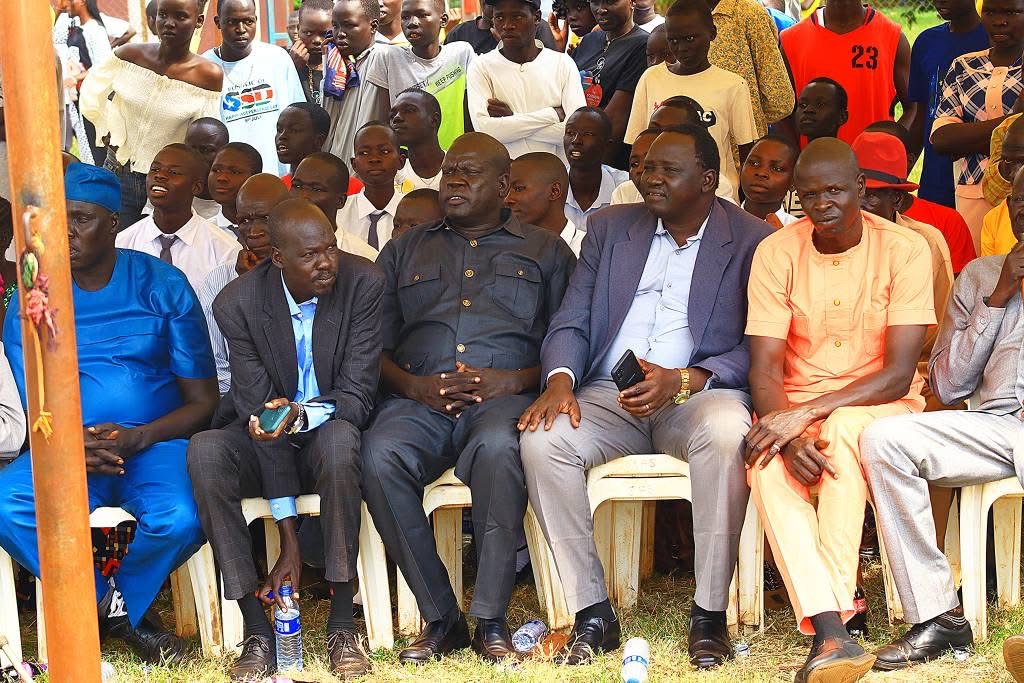
    Community leaders and elders seated with young people gathered behind them at Peace Cultural Day

    The Movement

    From one story to a shared purpose.

    What began as one person's question is now the work of many. IfP-South Sudan is led by a South Sudanese team and shaped by the young people, elders, and communities who take part.

    Together, we expand access to education, build relationships across communities, develop young leaders, and turn learning into action.
    Meet the teamSee our approach

    Mission & Vision

    Education opens opportunity.
    What young people build from it can shape a nation.

    IfP-South Sudan connects education, peacebuilding, leadership, and community action so young people can learn across differences and help shape a more peaceful and united future.

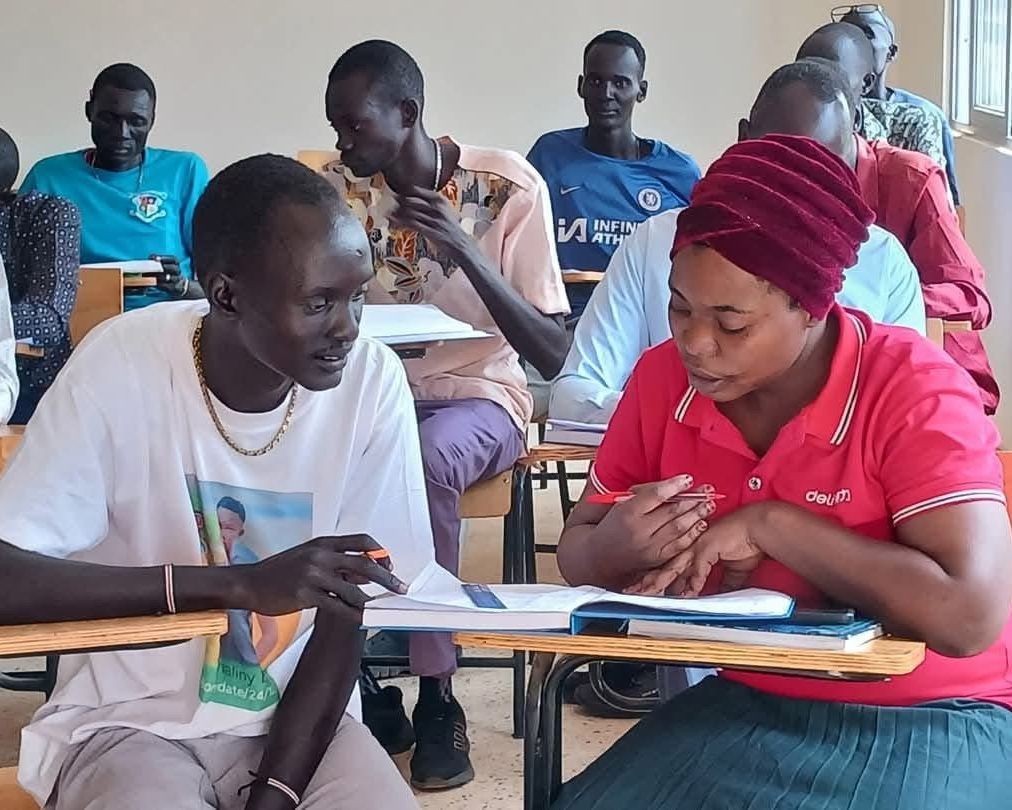
    Two young adults work through a book together at a desk, with other students studying behind them

    Our Mission

    To use education to foster peace and unite South Sudan by investing in its greatest asset — its youth.

    We create opportunities for young South Sudanese from different communities to learn alongside one another, build meaningful relationships across differences, develop as peace leaders, and turn what they learn into action in their communities.

    Our Vision

    A peaceful and united South Sudan shaped by a generation with the education, relationships, and leadership to build its future together.

    We are working toward a South Sudan where diversity is a source of strength rather than division, and where young people have both the opportunity and the responsibility to shape what comes next.

    • Relationships across difference

      Young people build meaningful relationships beyond their own communities.

    • Youth equipped to lead

      Education and peacebuilding develop leaders able to navigate difference and build trust.

    • A shared national future

      Young people carry those relationships and leadership into communities across South Sudan.

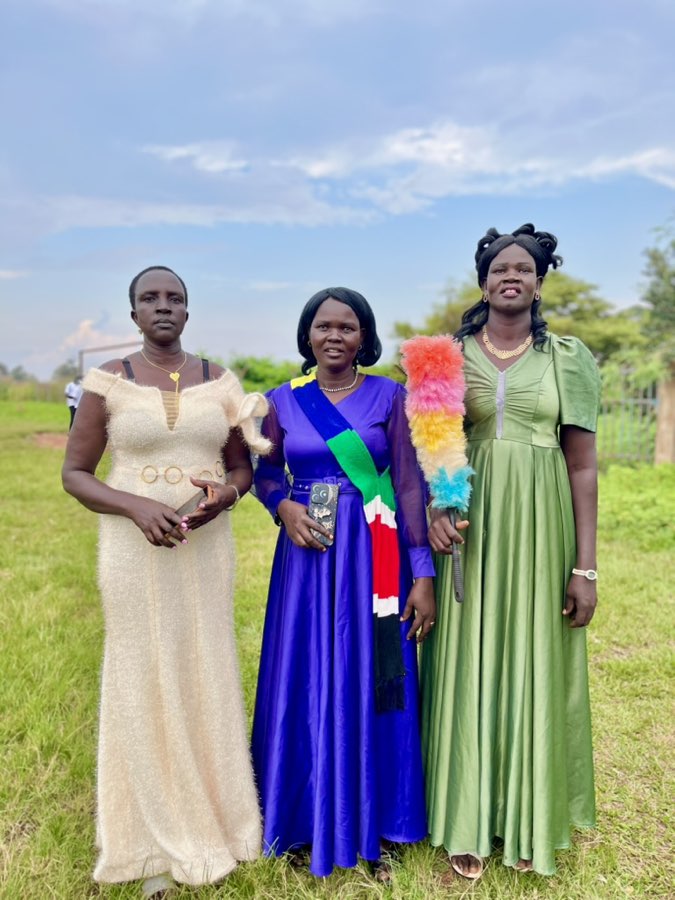
    Three women in elegant gowns representing their communities at Peace Cultural Day

    Our Values

    The principles behind our work.

    1. Unity through diversity

      We honor the identities, cultures, and traditions that make South Sudan diverse while building a future we can share.

    2. Youth at the center

      Young people are not only the future of peacebuilding — they have the capacity to lead it today.

    3. Understanding before peace

      Lasting peace grows when people have opportunities to meet, listen, learn, and understand one another across differences.

    4. Leadership through service

      Education carries responsibility: what we learn should strengthen the communities and people around us.

    The Belief Behind Our Work

    Education becomes more powerful when it is shared across differences.

    For IfP-South Sudan, education is more than access to a classroom or university. It is also an opportunity for young people from different communities to learn together, challenge assumptions, build relationships, and develop the leadership to act in their communities.

    Peace is built over time — through relationships, shared experiences, leadership, and the choices a generation makes together.

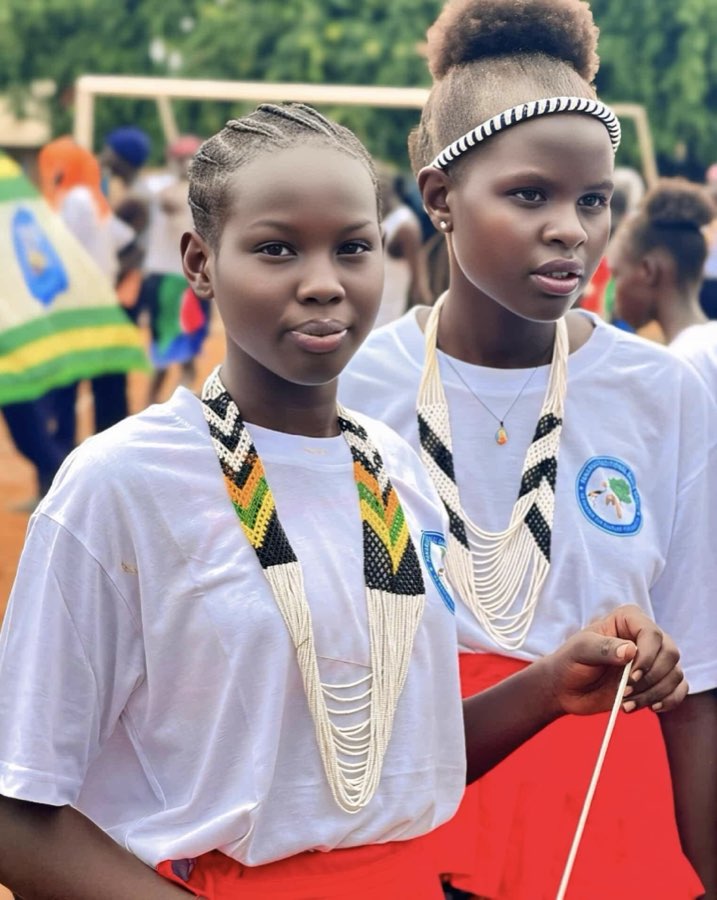
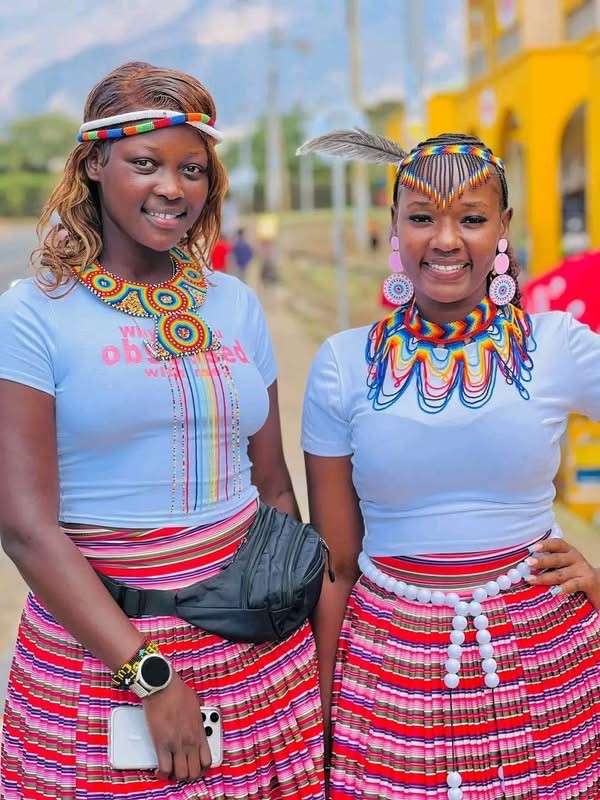
    Two smiling young women stand side by side in beaded necklaces, headbands and bright striped skirts

    Leadership

    Led by people who understand
    the communities we serve.

    IfP-South Sudan is youth-led and South Sudanese-rooted, bringing lived experience, local knowledge, and a shared commitment to education and peacebuilding.

    01Leadership & Program Team

    The people leading the work.

    Our leadership brings lived experience, local knowledge, and a shared commitment to creating opportunity for young South Sudanese.

    Deng Aguer Bul Deng Aguer Bul
    Founder & Executive Director
    Abraham Manyok Abraham Manyok
    Program Director
    Daruka Pantheer Daruka Pantheer
    Partnerships & Development Lead
    Dut Jessino Dau Dut Jessino Dau
    Peace Arts & Theatre Lead

    02Board of Directors

    Board of Directors

    Our Board provides governance, accountability, and strategic oversight as IfP-South Sudan grows.

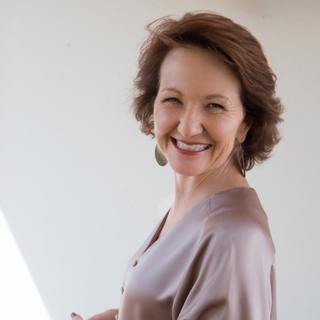
    Kathy O'Brien Kathy O'Brien
    Managing Director · Red Shoe Communications
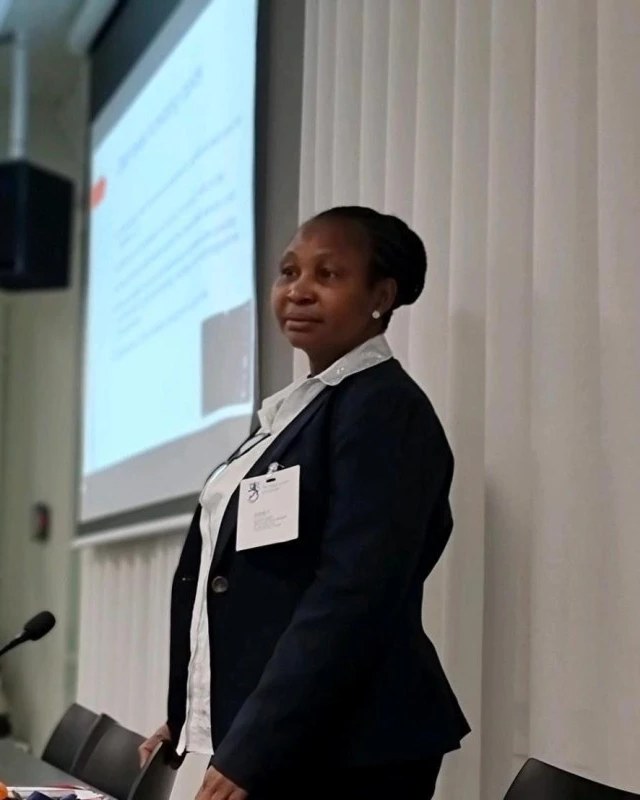
    Olatundun Janet Adelegan Olatundun Janet Adelegan
    Visiting Professor · Aalto University School of Business
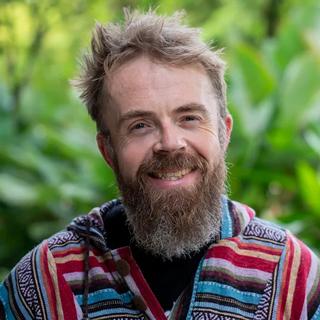
    James Shillabeer James Shillabeer
    Educator & Houseparent · UWC South East Asia
    Johana Melendez Johana Melendez, MS
    Professor of Biology · Hillsborough College

    Deng Aguer Bul, Founder & Executive Director, also serves as a member of the Board of Directors.

    A line of young dancers in traditional dress performing before a crowd at Peace Cultural Day

    Why South Sudan

    The world's youngest country deserves a future its young people can shape.

    Conflict and displacement have disrupted education, separated communities, and limited opportunity for generations. But South Sudan's young people continue to carry the ambition, resilience, and leadership needed to build something different.

    A generation full of possibility — interrupted.

    For generations, conflict has displaced South Sudanese families, disrupted education, and separated communities across the country and the region. Many young people have grown up far from the places their families once called home, including in Kiryandongo Refugee Settlement.

    The effects reach beyond where people live. Displacement can limit access to education and opportunities to learn alongside young people from other South Sudanese communities, build relationships, and develop as leaders.

    But conflict is not the whole story.

    Young South Sudanese carry ambition, creativity, cultural pride, resilience, and ideas for the future of their communities.

    They do not need to be told that they are capable. They need the opportunity to show what they can do.

    That means expanding access to education while creating opportunities to learn across differences, build relationships, develop as leaders, and turn learning into action.
    A young woman reads through her notes during a workshop in Kiryandongo Refugee Settlement

    The Challenge

    Potential is everywhere. Opportunity is not.

    South Sudan's young population represents extraordinary possibility, but conflict and displacement have shaped the opportunities available to millions. Three realities help explain why investing in this generation matters now.

    1. The Youngest Nation2011

      South Sudan gained independence in 2011, becoming the world's youngest internationally recognized country.

    2. The Cost of Conflict4M+

      More than four million South Sudanese have been displaced by conflict since 2013, including millions of children and young people whose education, communities, and sense of home have been disrupted.

    3. The Generation Ahead7 in 10

      Roughly seven in ten South Sudanese are under thirty. The generation that will inherit the country's challenges — and shape its future — is already here.

    Our Approach

    Peace grows when young people have the opportunity to truly know and understand one another.

    South Sudan's divisions cannot be addressed through workshops alone. Young people need opportunities to spend meaningful time together across community lines — learning from one another, building relationships, developing as leaders, and turning that experience into action within their communities.

    That is why IfP-South Sudan brings peacebuilding, education, culture, and leadership together as one connected journey.

    The Core Idea

    One journey. Connect. Learn. Lead. Give back.

    Our programs are designed as one connected journey — bringing young South Sudanese together across communities, building understanding through education, developing them as peace leaders, and supporting them to carry that work back into society.

    1

    Connect

    2

    Learn

    3

    Lead

    4

    Give back

    01 · Connect

    Peace starts with encounter.

    Young people from different South Sudanese communities meet through cultural events, schools, theatre, dialogue, and community activities — often creating relationships that did not exist before.

    02 · Learn

    Understanding grows through education.

    Workshops, dialogue, cultural exchange, and the IfP Scholarship create spaces where young people learn about one another while developing skills in peacebuilding, leadership, identity, and conflict transformation.

    03 · Lead

    Participants become peacebuilders.

    Young people move from participating in peace activities to leading them — developing the confidence, knowledge, and networks to influence their schools, communities, and country.

    04 · Give Back

    Leadership returns to the community.

    Scholars and participants put what they have learned into practice through peace projects, school workshops, theatre, dialogue, community campaigns, and other locally led initiatives.

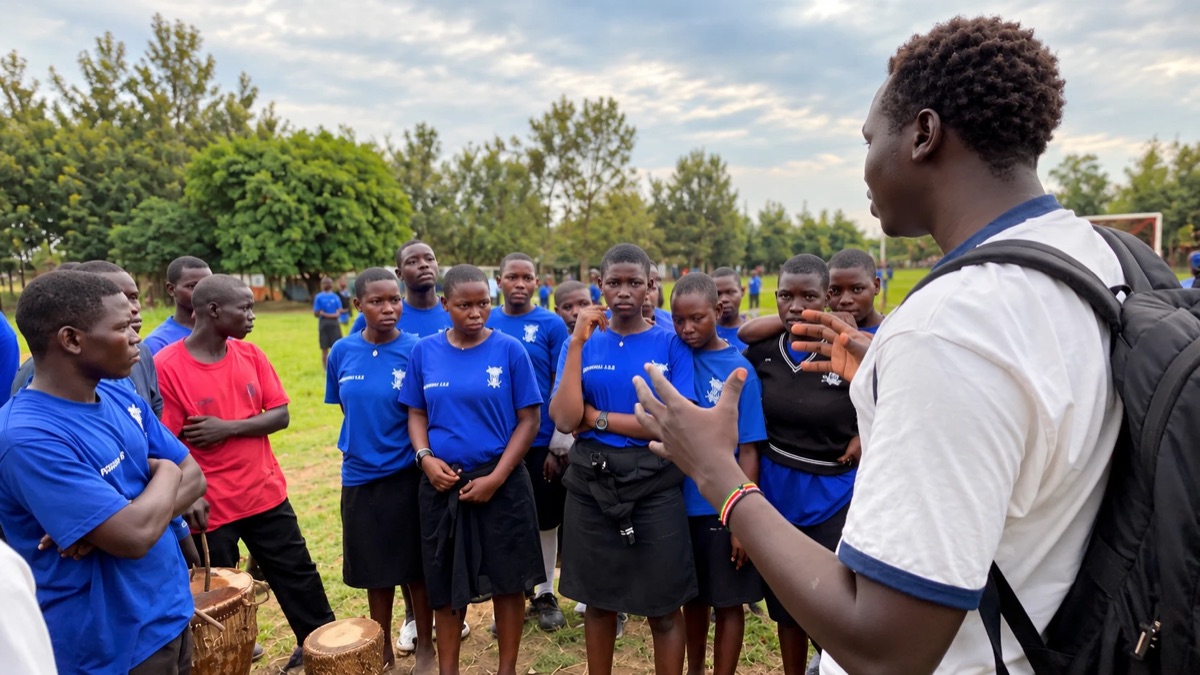
    A young leader stands on a school field talking with a group of students in uniform who listen closely

    One Model. Different Pathways.

    Every program moves toward the same goal.

    Connect, Learn, Lead, and Give Back are not four separate programs — they are stages that each of our programs contributes to. Some pathways begin with a single day of encounter; the scholarship carries a young person through the whole journey.

    Teal marks the stages each program delivers; gold marks where leadership returns to the community.

    What Makes Our Approach Different

    Four commitments behind every program.

    Whatever form a program takes, these commitments stay constant.

    1. 01Cross-community by design

      We intentionally create opportunities for young people from different South Sudanese communities to learn and work together.

    2. 02Education as peacebuilding

      We do not separate academic opportunity from peace education. Learning together is itself part of building peace.

    3. 03Youth as leaders, not beneficiaries

      Young people are not simply recipients of programs. They are trained and trusted to become peacebuilders themselves.

    4. 04From participation to action

      Every pathway is designed to move beyond dialogue toward leadership and community action.

    Community Peacebuilding

    Creating spaces where communities meet across differences.

    Peace becomes possible when people have opportunities to know one another. Our community work brings South Sudanese together across community lines to share culture, exchange experiences, have difficult conversations, and build relationships rooted in dignity and mutual understanding.

    Culture & Connection

    Peace Cultural Days

    Peace Cultural Days bring different South Sudanese communities into one shared space through music, dance, drama, poetry, storytelling, food, dialogue, and the participation of community elders. Culture becomes a starting point for connection — allowing people to celebrate what makes each community distinct while discovering what they share.

    These gatherings are designed to create encounters that may not happen in everyday life, and to make peace visible, communal, and rooted in traditions people already understand and value.

    Dancers in intricate beaded regalia performing at a Peace Cultural Day
    A young woman takes careful notes during a community peace workshop

    Dialogue & Action

    Community Peace Workshops & Activities

    Our community workshops create smaller spaces for deeper learning, dialogue, and practical peacebuilding. Through facilitated conversations, role-play, storytelling, cultural exchange, and participatory activities, young people explore identity, conflict, leadership, communication, and ways of responding constructively to division.

    The work can take different forms depending on the community — from structured peace workshops and inter-community dialogue to youth-led campaigns, exchanges, and local peace activities. The goal remains the same: equip people not only to talk about peace, but to practice it where they live.

    How We Work

    Peacebuilding rooted in the community.

    The form can change. The purpose does not. No two communities need exactly the same activity, so we work with young people, elders, educators, and local leaders to shape the work around local realities — while keeping one purpose at the center.

    1. Cross-community

      We intentionally create spaces where people from different South Sudanese communities can meet, learn from one another, and build relationships.

    2. Culturally rooted

      Music, dance, storytelling, dialogue, and tradition are not additions to the work — they are the ways communities connect, communicate, and heal.

    3. Youth-led

      Young people are not only participants. They shape activities, lead conversations, and carry peacebuilding into their own communities.

    4. Community-guided

      Elders and local leaders bring knowledge, trust, and cultural legitimacy that ground the work in the communities it serves.

    Peace Education in Schools

    Taking peace education into classrooms and campuses.

    Schools and universities bring together the generation shaping South Sudan's future. IfP-South Sudan's Peace Education in Schools program is designed to bring structured dialogue, peacebuilding, and leadership learning into those spaces — helping young people understand difference, navigate conflict, and lead within their communities.

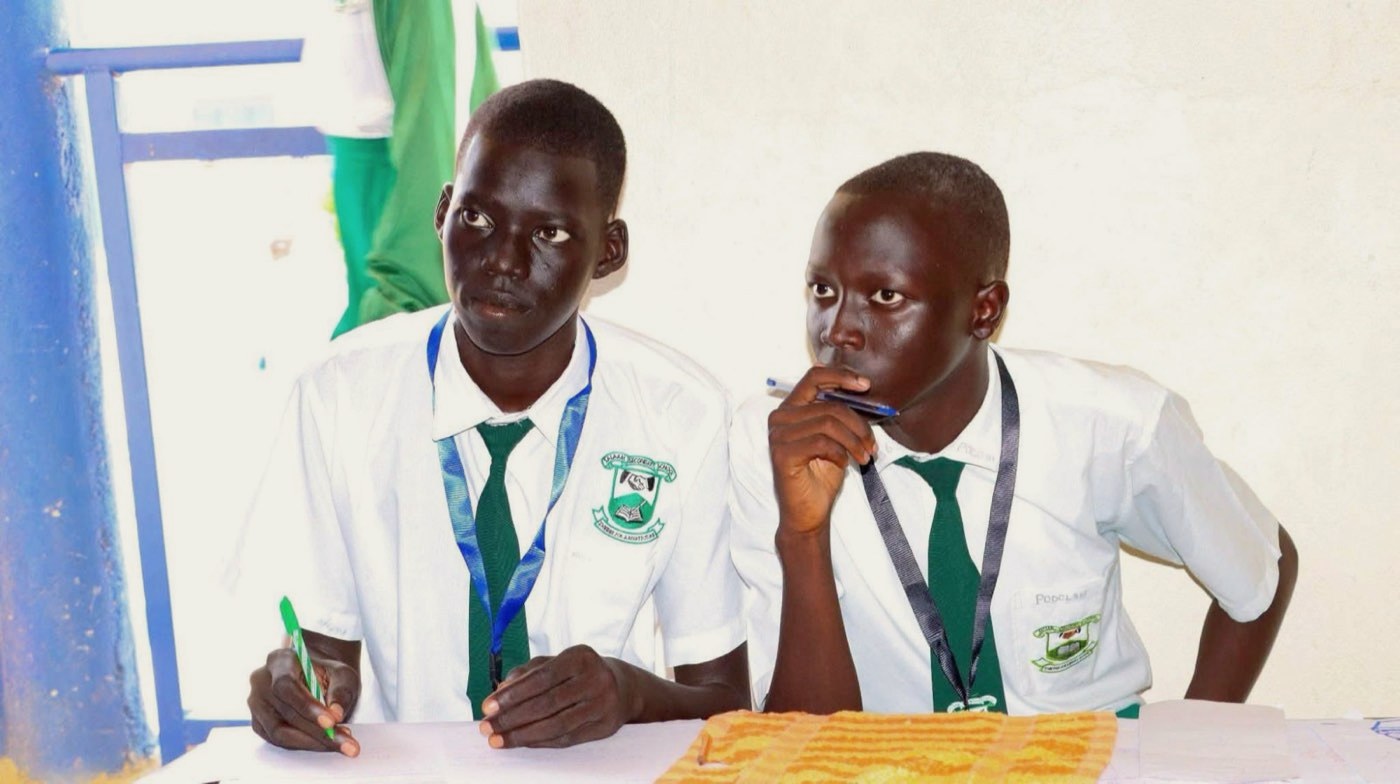
    Two secondary school students in white shirts and green ties follow a classroom session, one taking notes and one listening with a pen in hand

    How It Works

    More than a workshop. A pathway to student leadership.

    Our sessions are built around participation, not lectures. Students move from understanding themselves and others to practicing the skills needed to respond constructively to difference and conflict.

    1. Explore

      Students examine identity, belonging, conflict, stereotypes, empathy, and how division takes root.

    2. Dialogue

      Facilitated conversations help students listen across differences and practice constructive disagreement.

    3. Build skills

      Students develop practical skills in communication, mediation, conflict transformation, storytelling, and leadership.

    4. Take action

      Students turn learning into peace activities, dialogue, campaigns, and initiatives within their schools and communities.

    Why Schools

    Reach a generation where it already gathers.

    Schools and universities are places where young people learn, question, and grow alongside one another. Peace education can help students examine inherited divisions, build relationships across difference, and practice the skills they will carry into their communities and future leadership.

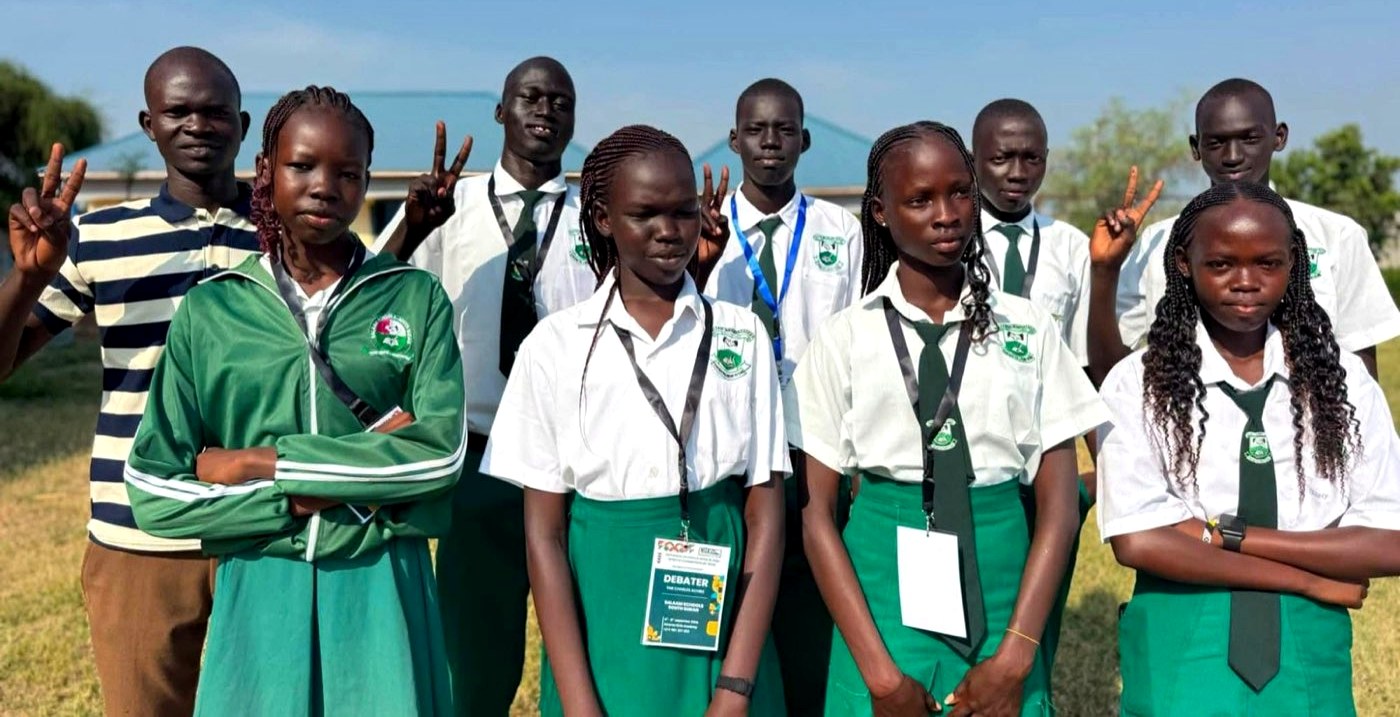
    A group of secondary school students in uniform stand together outside their school with a teacher

    Where We Work

    Designed for secondary schools and universities.

    Secondary Schools

    Introducing peacebuilding at an age when young people are forming their understanding of identity, community, leadership, and belonging.

    Universities

    Engaging emerging professionals and leaders who can carry peacebuilding into campuses, workplaces, institutions, and communities.

    Beyond the Classroom

    The goal is not simply to teach peace.
    It is to grow peace leaders.

    A workshop can begin a conversation. The deeper goal is to equip young people to continue it — leading dialogue, creating peace activities, challenging division, and helping build cultures of understanding within their schools and communities.

    The goal is not to leave a school with students who attended a peace workshop. It is to leave with young people who see themselves as capable of building peace.

    Learn → Lead → Act

    Explore our peacebuilding approach

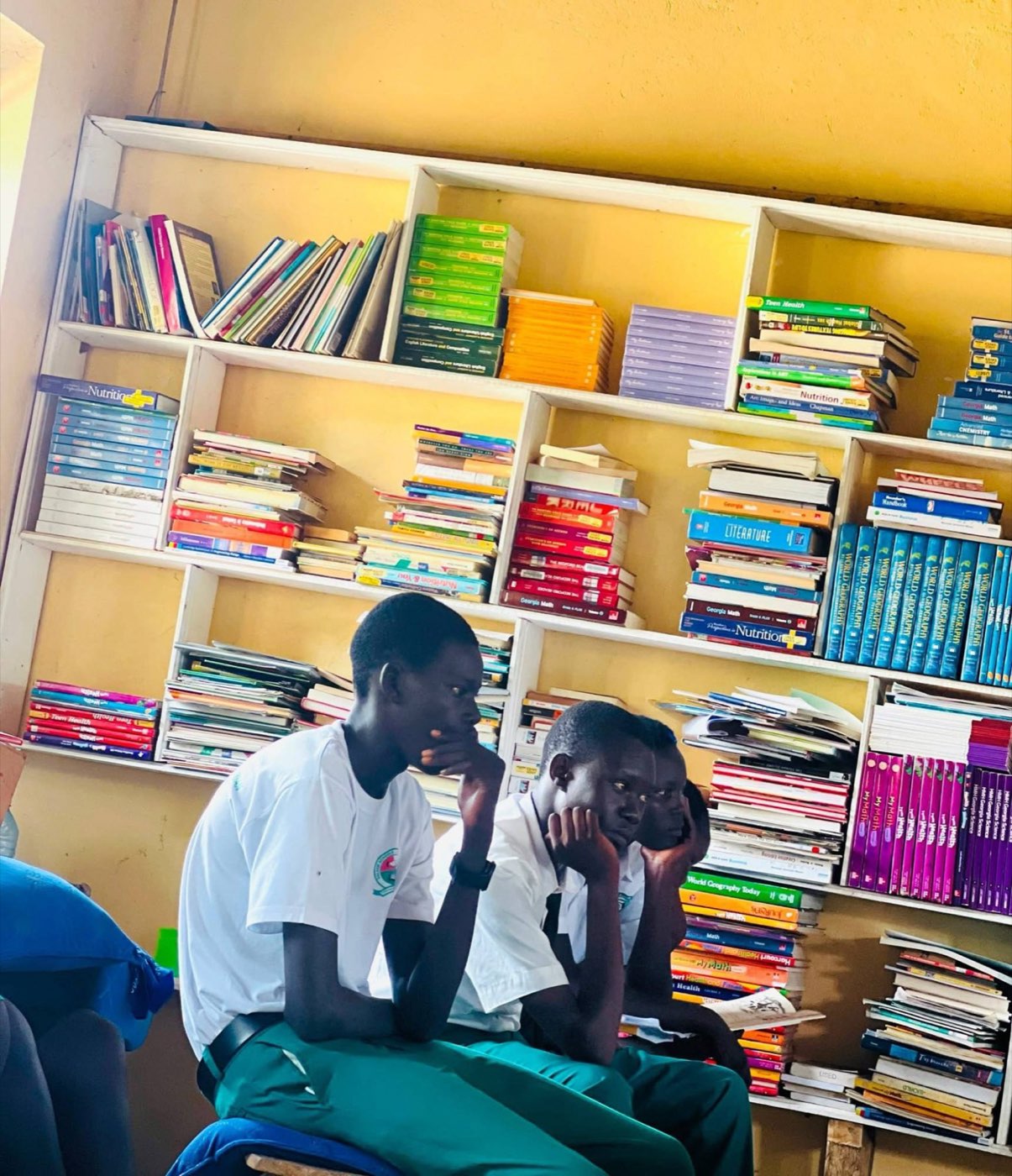
    Two students sit thoughtfully in front of a wall of textbooks in a school library
    Young people in traditional beaded dress dance together at a cultural celebration

    Peace Through Theatre

    Some conversations
    begin with a story.

    Young people from different South Sudanese communities come together to create and perform stories about conflict, identity, reconciliation, forgiveness, and peace. Through theatre, they bring those stories into schools, community gatherings, ceremonies, and cultural events — creating space for reflection, dialogue, and understanding.

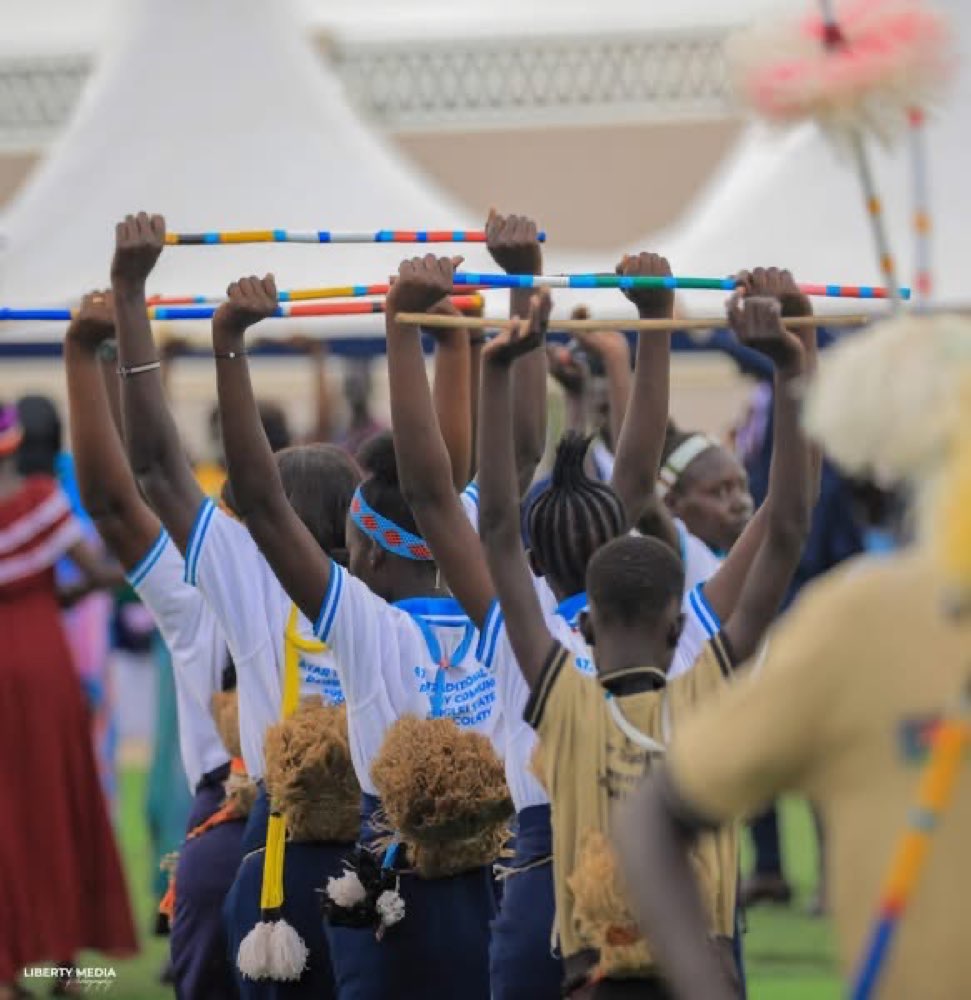
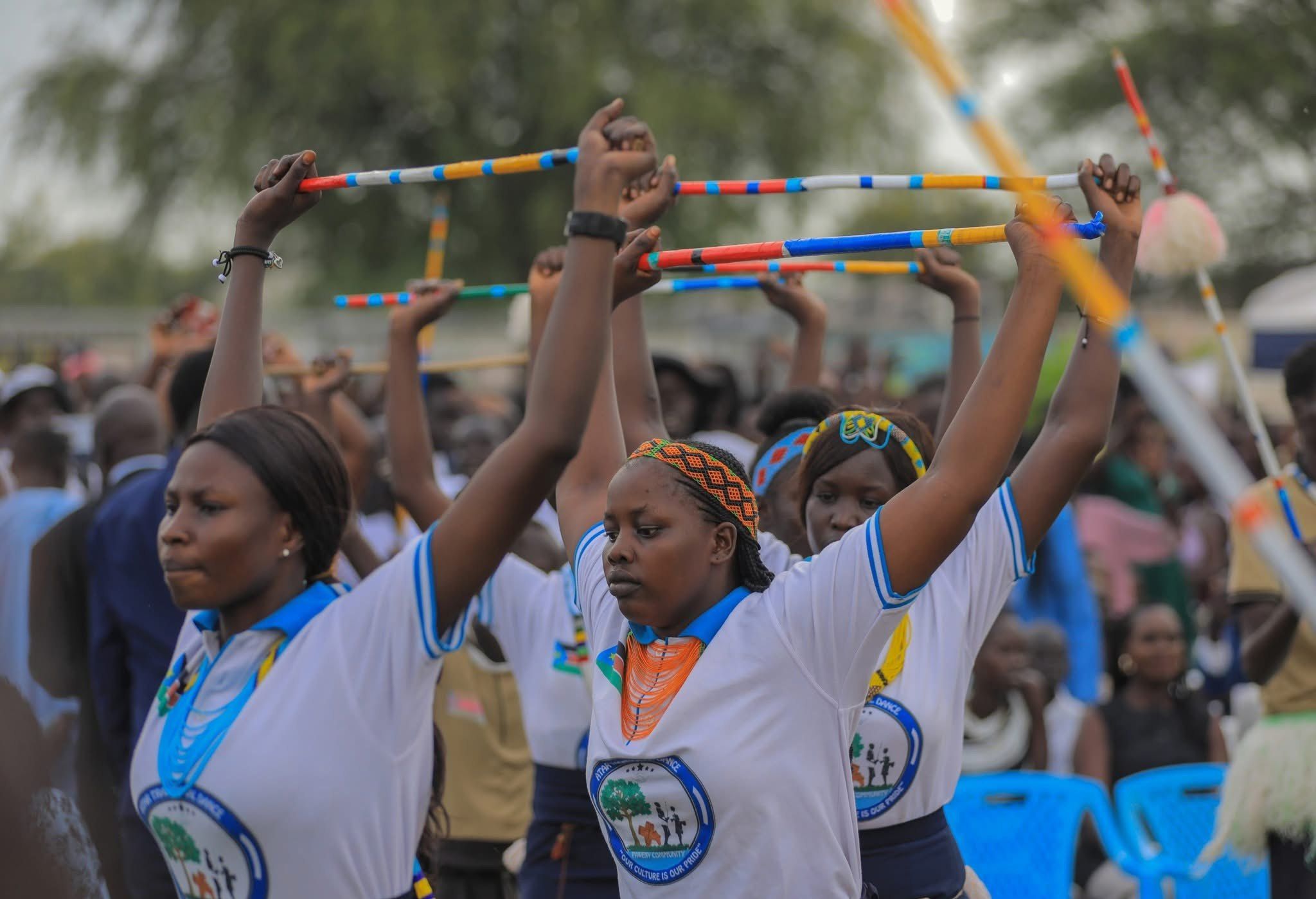
    Young performers raise decorated sticks in unison during a performance

    Where It Began

    It began with a peace play.

    The idea was first tested by bringing secondary-school students from different South Sudanese communities together to perform scenes exploring division, displacement, reconciliation, identity, forgiveness, and unity.

    But the performance was only part of the idea. Young people who might otherwise have remained separated had to create together, rehearse together, listen to one another, and eventually stand on the same stage.

    Peace Through Theatre grows from that experience: developing a youth ensemble that can create performances rooted in South Sudanese experiences and bring them wherever communities gather.

    Why Theatre

    Because some conversations are easier to enter through a story.

    Conflict is personal. So are identity, displacement, grief, forgiveness, and belonging. Theatre gives young people a way to explore these experiences without turning every conversation into a lecture or debate.

    On stage, an audience can recognize parts of their own experience, encounter another perspective, and consider what could have happened differently. A character can ask what someone may be afraid to ask. A story can open a conversation without turning it into an accusation.

    The performance is not the end of the conversation. It is how the conversation begins.

    How It Works

    The performance is only one part of the peacebuilding.

    From lived experience to public conversation — each stage is itself a form of peacebuilding.

    1. Create

      Tell stories that matter.

      Young people turn lived experiences of identity, conflict, displacement, belonging, and reconciliation into stories.

    2. Rehearse across differences

      Build something together.

      Creating together requires listening, trust, disagreement, compromise, and collaboration.

    3. Perform for communities

      Take the story to the people.

      Performances bring these stories into schools, cultural events, ceremonies, and community gatherings.

    4. Open the conversation

      Do not end at the final scene.

      Each performance creates space for audiences to reflect, respond, and continue the conversation.

    Where We Are Going

    From one peace play to a youth peace ensemble.

    Our long-term vision is to develop a cross-community group of young South Sudanese performers who can create original peace-focused theatre and bring it wherever people gather.

    Schools & Universities

    Supporting peace education and student dialogue.

    Community Gatherings

    Stories rooted in issues communities are navigating.

    Cultural Events & Ceremonies

    Taking peace-focused stories where people already gather.

    Peace Cultural Days

    Theatre as part of wider community peacebuilding.

    Explore Community Peacebuilding

    Peace Leadership Program

    A degree opens doors.
    Leadership changes
    what happens next.

    Alongside their university studies, IfP scholars will take part in an ongoing peace and leadership program — building the skills, relationships, and experience to lead across difference and serve their communities.

    Begins with the first scholarship cohort · August 2027

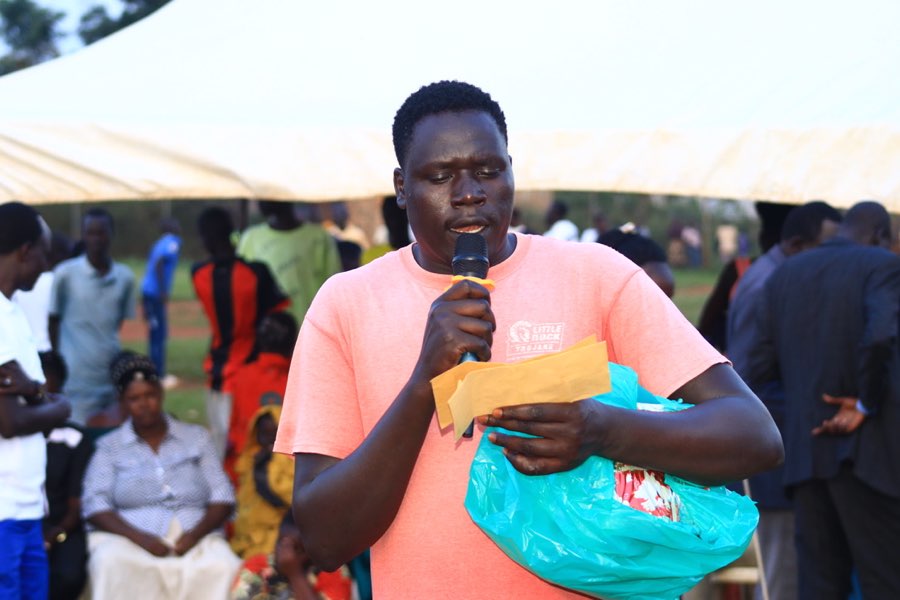
    A young South Sudanese man speaks into a microphone in front of a community gathering

    How It Fits

    University education and
    peace leadership, side by side.

    The IfP Scholarship Program creates access to higher education. The Peace Leadership Program runs alongside that journey, giving scholars a shared space to understand conflict, build relationships across difference, practice dialogue, and turn learning into community action.

    IfP Scholarship ProgramHigher education + living and learning across community lines
    Peace Leadership ProgramPeacebuilding skills + leadership practice + community action
    Young South Sudanese participants read and take notes together during a learning session

    The Learning Experience

    Leadership is something
    scholars practice.

    Through workshops, dialogue, and real-world projects, scholars develop the knowledge, skills, and habits to lead in their communities.

    Understand conflict

    Explore identity, conflict, reconciliation, and the experiences that shape how communities understand one another.

    Practice dialogue

    Build skills in listening, storytelling, conflict resolution, facilitated dialogue, and communicating across difference.

    Learn to lead

    Develop confidence, collaboration, ethical leadership, reflection, and the ability to bring people together around shared challenges.

    Turn learning into action

    Develop community peace projects where scholars can put their learning into practice.

    From Learning to Leadership

    The journey moves outward.

    Scholars begin by learning about themselves and one another. Over time, that learning moves beyond the cohort and into the communities they hope to serve.

    1

    Learn

    Build an understanding of identity, conflict, peacebuilding, and leadership.

    2

    Practice

    Use dialogue, storytelling, simulations, and collaboration to practice leading across difference.

    3

    Lead

    Take responsibility for designing and carrying out meaningful peacebuilding work.

    4

    Give back

    Carry relationships, skills, and leadership into communities beyond the program.

    Our View of Leadership

    Not leadership over others.
    Leadership with others.

    For IfP-South Sudan, a peace leader is not simply someone with a title. It is someone who can listen across difference, bring people into conversation, act with responsibility, and help communities find common ground.

    Listen before leading.

    Understand before judging.

    Build trust before asking for change.

    Turn learning into service.

    A crowd kneels with arms raised around a young person holding the South Sudanese flag high on a pole

    Where the Journey Leads

    Learning becomes leadership
    when it leaves the room.

    What scholars learn together should not stay within the cohort. The relationships, skills, and habits of leadership they build are meant to travel with them — into universities, communities, organizations, and the future of South Sudan.

    Explore the IfP Scholarship Program →

    Our Impact

    What happened when
    young South Sudanese
    were given space to meet.

    Our first programs in Kiryandongo Refugee Settlement brought young people, elders, and communities together across difference — early evidence that connection, dialogue, and youth leadership can open new possibilities for peace.

    What Happened

    People reached1,000+people brought together at the first Peace Cultural Day
    Communities represented19South Sudanese communities sharing one space
    Youth trained127young people completed two days of peacebuilding workshops

    Peace Cultural Day and Youth Empowerment Workshops · Kiryandongo Refugee Settlement · July 2025 · Attendance and participation records

    What Changed

    What participants said changed.

    Participant-reported outcomes

    93%reported greater empathy toward other communities
    87%reported greater confidence to lead peace in their communities
    100%asked for the programs to continue — and elders requested Peace Cultural Day return two to three times a year

    Based on post-workshop participant reflections and follow-ups, July 2025 — participatory evaluation, not a formal survey. See how we measure →

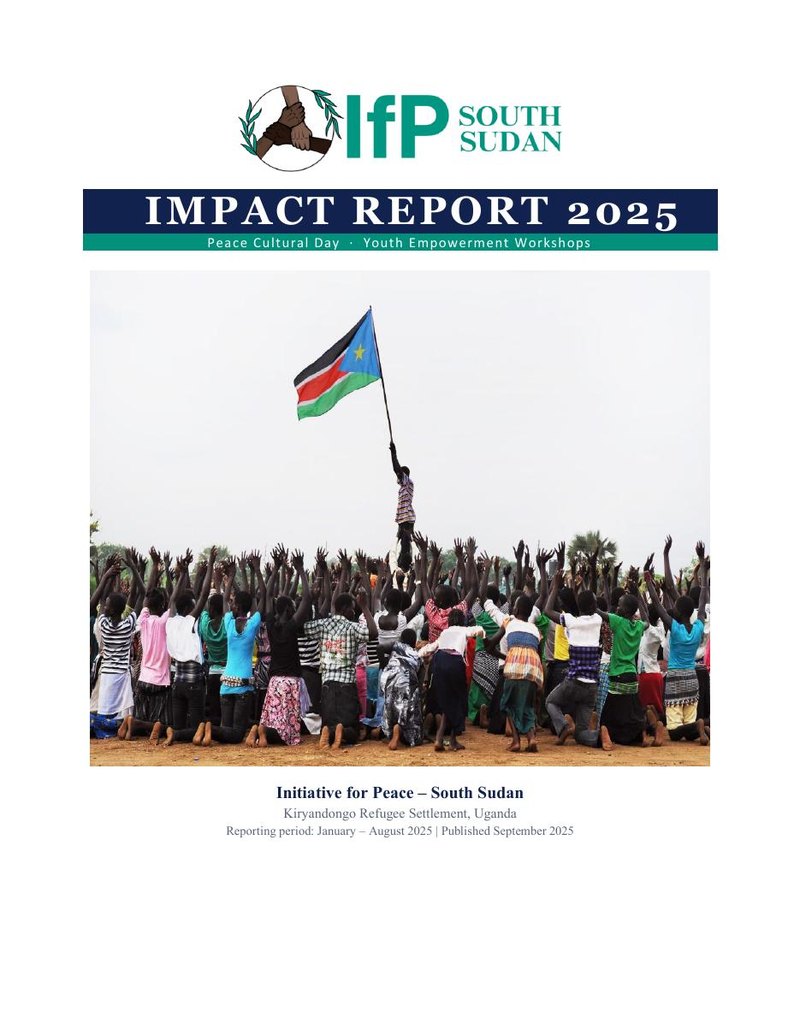
    Cover of the IfP-South Sudan 2025 Impact Report

    2025 Impact Report

    The full story
    behind the numbers.

    Explore what we did, who participated, what we learned, how we measured progress, and what we are carrying forward into the next stage of IfP-South Sudan — in our first published report.

    PDF · 25 pages · 2025 · Kiryandongo Refugee Settlement

    Voices from the Program

    What participants carried away.

    "For the first time, I felt safe enough to speak as myself, not just my tribe."

    John Pitia · Workshop participant · Kiryandongo Refugee Settlement · July 2025

    "Leadership starts with listening. That's the kind of leader I want to be."

    Achol Wal · Workshop participant · Kiryandongo Refugee Settlement · 2025

    A young woman speaks into a microphone during a youth peace workshop while others listen

    The Day in Pictures

    Peace looked like people sharing the same space.

    Dancers in intricate beaded regalia performing before a seated audience
    Young men dance in a joyful line, one wrapped in the South Sudanese flag
    Young dancers in traditional dress performing
    A participant taking notes during the workshop
    Three women in elegant gowns representing their community
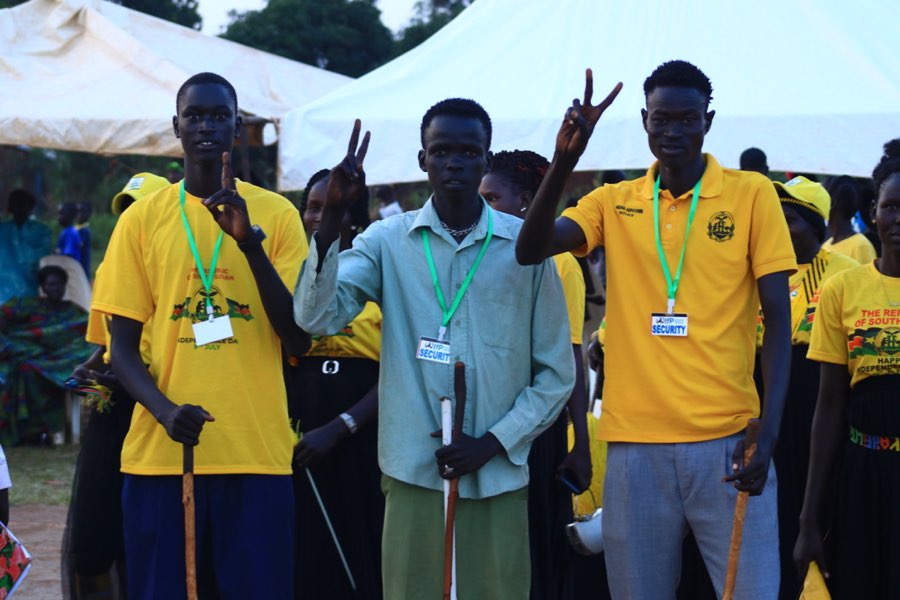
    Three young men in event shirts raise peace signs in front of the gathering tents

    Photographs from Peace Cultural Day and the Youth Empowerment Workshops, Kiryandongo Refugee Settlement, July 2025 — shared with participants' knowledge and consent.

    How We Measure

    Evidence rooted
    in the community.

    We used participant reflections, testimonies, facilitator observations, and one-on-one follow-ups to understand how people experienced the programs and what changed afterward.

    These methods are participatory rather than a formal longitudinal evaluation, so we report them for what they are: early evidence from the people closest to the work.

    Read the methodology in the 2025 Impact Report

    What we looked for

    Participation Cross-community engagement Empathy Confidence to lead Demand for continued programming

    What We Learned

    Early lessons shaping what comes next.

    Shared spaces matter

    Many participants had never shared a stage or a room with peers from other communities. Given the space, they did — and asked for more.

    Culture can open the door

    Music, dance, and tradition created connection before harder conversations began, and elders' public blessings gave the work legitimacy.

    Participants want continuity

    One event or workshop is not enough. Every participant asked for the programs to continue — a clear signal toward sustained dialogue and leadership.

    What Comes Next

    From early proof to long-term
    peace leadership.

    The impact above reflects what has already happened. The milestones below are the next steps IfP-South Sudan is working toward — planned, not yet achieved.

    Planned · Not yet achieved

    2027

    First scholarship cohort

    15–20 scholars begin university study in Rwanda alongside the Peace Leadership Program.

    2027–29

    Community action

    Scholars begin designing and leading peace projects; Peace Education in Schools and Peace Through Theatre expand into communities.

    2029 on

    A growing peace leadership network

    We aspire to a wider network of trained young peace leaders across South Sudan's communities.

    The Next Chapter

    Help us take what
    we learned further.

    Kiryandongo Refugee Settlement showed what can happen when young people have the space to meet, learn, and lead across difference. The next step is to strengthen the model and bring it to more communities.

    Young women in matching white shirts raise brightly beaded sticks overhead together during a dance at Peace Cultural Day
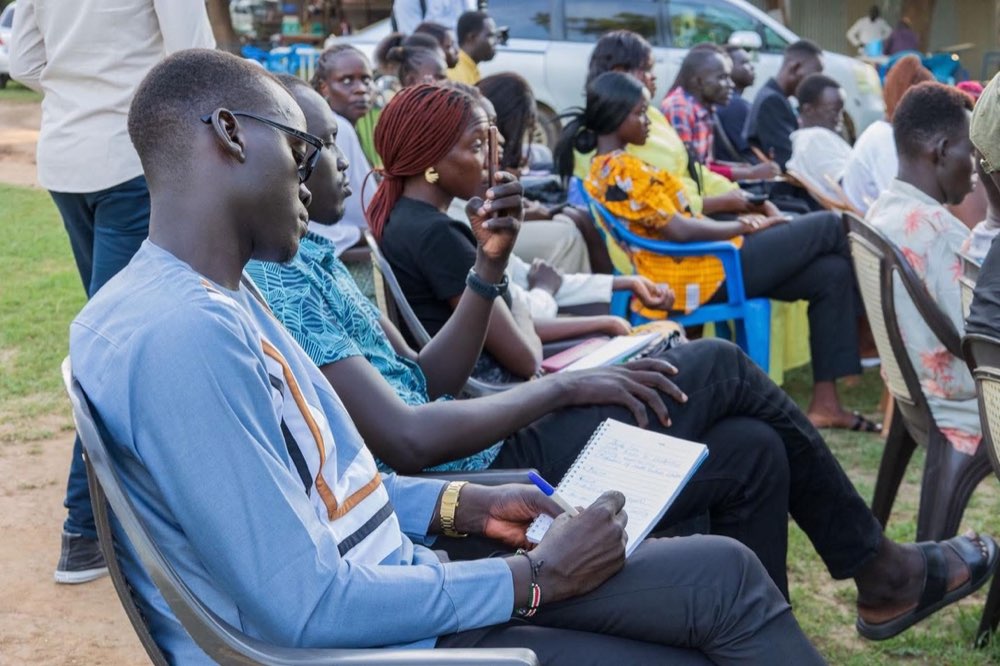
    Young South Sudanese participants listen and take notes during an outdoor learning session

    IfP-South Sudan Scholarship Program

    Educating South Sudan's
    next generation of peace leaders.

    A fully funded university education that brings young South Sudanese from different communities together to learn, build relationships, and prepare to lead across difference.

    First cohortAugust 2027
    Study inRwanda
    Cohort15–20 scholars
    FundingFully funded
    ApplicationsTo be announced

    The Journey

    More than a scholarship.

    A four-year journey to learn, connect, and lead for a more peaceful South Sudan.

    1

    Study

    Earn a university degree in Rwanda.

    2

    Connect

    Live and learn alongside scholars from different communities.

    3

    Lead

    Develop practical peacebuilding and leadership skills.

    4

    Give Back

    Put that learning into action through community peace projects.

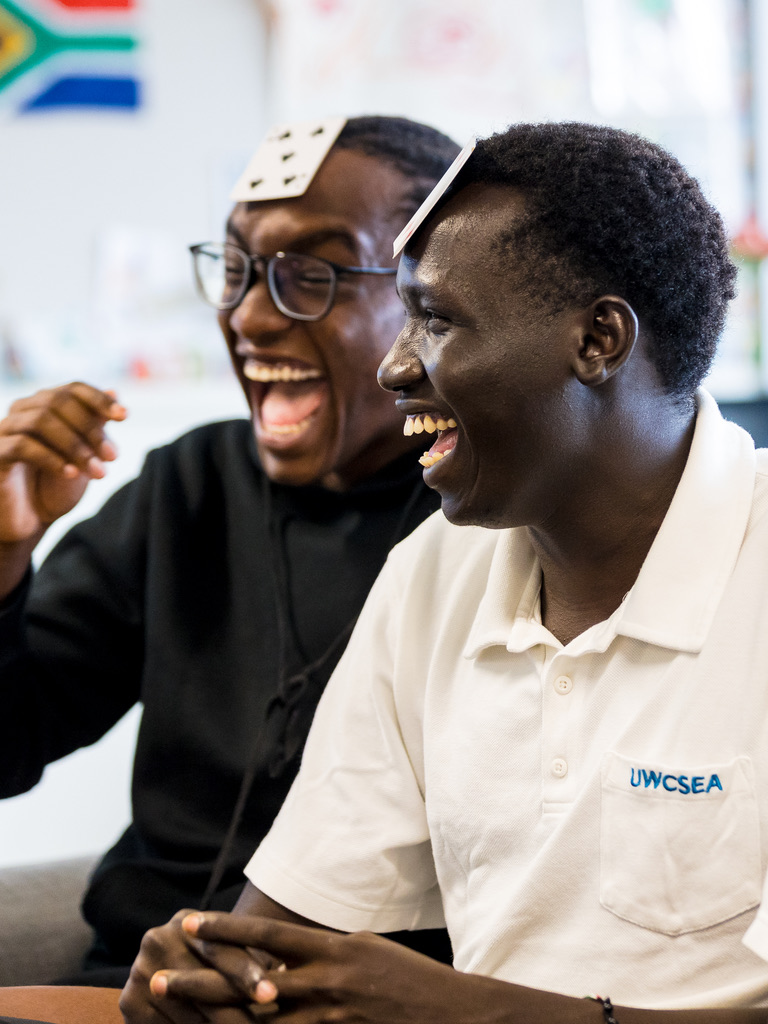
    Two young men laugh together during a classroom game, one wearing a UWC South East Asia polo shirt

    Why This Model

    The education is only the beginning.

    Scholars will study in Rwanda while living and learning alongside young South Sudanese from communities different from their own.

    Alongside their degree, they will take part in ongoing peacebuilding and leadership development and put that learning into practice through community peace projects.

    The goal is not simply to graduate individual students. It is to help develop a connected generation of South Sudanese leaders able to work across difference.

    Peacebuilding is not an extra course beside the degree. It is built into how the cohort learns together.

    Who It Is For

    Who we are looking for.

    We are looking for young South Sudanese with the potential, curiosity, and commitment to grow as leaders and contribute to their communities.

    Young South Sudanese

    Recently completed secondary education.

    Potential to grow

    Academic promise, curiosity, resilience, and leadership potential.

    Commitment to peace

    A willingness to work across differences and contribute to community.

    Willingness to give back

    A desire to turn education and leadership into service.

    One Cohort. Many Communities.

    Difference is part of the education.

    Each cohort will bring together young South Sudanese from different communities, regions, genders, and lived experiences. Scholars will not only attend workshops together — they will study, live, learn, solve problems, and grow alongside one another.

    The goal is not to erase difference. It is to learn how to lead across it.

    What the Scholarship Covers

    Removing cost as a barrier.

    1. University tuition

      Degree tuition at a partner university in Rwanda.

    2. Accommodation

      Housing throughout the academic program.

    3. Travel & transition

      Travel to Rwanda and support for beginning university life.

    4. Peacebuilding program

      Leadership development, mentorship, and community peace projects.

    How Selection Works

    A clear path from application to selection.

    01Apply

    Submit the required academic information, references, and personal responses.

    02Review

    Applications are assessed against published criteria.

    03Conversation

    Shortlisted applicants take part in an interview.

    04Selection & preparation

    Selected scholars receive guidance for university admission and preparation for the program.

    Common Questions

    Before you apply.

    When will applications open?

    Applications for the first cohort, planned to begin in August 2027, will open on this website. Join the application update list and we will share the opening date, eligibility requirements, timeline, and instructions as soon as they are finalized.

    What does the scholarship cover?

    University tuition, accommodation, travel to Rwanda, and the peacebuilding and leadership program, so that cost is not the reason a capable young person cannot take part.

    Who will be eligible?

    Young South Sudanese completing or recently completing secondary education who show academic promise, leadership potential, and a commitment to peace. Full eligibility requirements will be announced before applications open.

    Why will scholars study in Rwanda?

    Rwanda is safe, close to home, academically strong, and living proof that a nation can turn the page on ethnic conflict within one generation. Scholars will study in the middle of that lesson.

    Can South Sudanese living outside South Sudan apply?

    We intend the program to be open to young South Sudanese living in South Sudan as well as in the refugee settlements in Uganda and Kenya. Details will be confirmed when eligibility requirements are announced.

    How will scholars be selected?

    Through a planned four-step process: application, review against published criteria, an interview for shortlisted applicants, and final selection with preparation support. We intend each cohort to reflect South Sudan's diversity, and full details will be published before applications open.

    Application Updates

    Applications are not open yet.

    The first cohort is planned to begin in August 2027. Register your interest and we will email you when applications open and when eligibility, timeline, and application details are confirmed.

    Applications
    To be announced
    First cohort
    August 2027
    Study in
    Rwanda

    Support Us

    Peace will not be delivered. It must be built — with you.

    Whether you give, partner, mentor, fundraise, or share our work, your support creates opportunities for young South Sudanese to learn across differences, develop as leaders, and turn that learning into action.

    Young South Sudanese participants reading and taking notes together during a learning session

    Give

    Make the work possible.

    Your support helps young South Sudanese learn across differences, grow as leaders,
    and turn what they learn into action. Here is what your gift makes possible.

    Expand access to education.

    University education in Rwanda, paired with peace leadership training and community action.

    IfP Scholarship Program

    Bring communities together.

    Peace Cultural Days, workshops, and dialogue that help people meet, understand one another, and build trust.

    Community Peacebuilding

    Take peacebuilding into schools.

    Peace education that helps students explore identity, dialogue, and leadership.

    Peace Education in Schools

    Open conversations through theatre.

    Performances and workshops that make hard conversations easier to begin.

    Peace Through Theatre

    Donate now →

    More Ways to Build

    There is more than one way to build peace.

    Give, sponsor, fundraise, partner, volunteer, or help more people discover the work.

      Page 1 of 2

      Partner With Us

      Build with us.

      Universities, schools, nonprofits, foundations, peacebuilding organizations, and other institutions can work alongside IfP-South Sudan to expand opportunities for young South Sudanese and strengthen our programs.

      Young people seated around a table outdoors in discussion, with pens and paper in front of them

      Ways to partner

      • Scholarship support

        Help fund university education and peace leadership.

      • Program collaboration

        Co-create and implement peacebuilding or education initiatives.

      • Training & expertise

        Share knowledge, technical expertise, or capacity-building support.

      • Institutional support

        Provide resources, networks, infrastructure, or long-term organizational support.

      Start a partnership conversation

      Tell us about your institution and what you would like to build together.

      Share Your Skills

      Share what you know.

      Educators, peacebuilders, facilitators, mentors, researchers, storytellers, designers, and other professionals can contribute their skills to a growing youth-led organization.

      Young leader engaging a group of students during a community activity

      Ways to contribute

      • Mentorship

        Guide a scholar or young leader one to one as they study, lead, and grow.

      • Facilitation

        Lead a session, workshop, or dialogue, in person or online.

      • Communications

        Help tell the story through writing, photography, video, or design.

      • Specialist expertise

        Lend skills such as law, finance, fundraising, or technology to a growing organization.

      Express your interest

      These are not open vacancies. Tell us what you do, and we will explore where it fits.

      Bring Your Community With You

      Turn your ideas into impact.

      Mobilize your school, university, workplace, alumni network, community organization, or friends around education and peacebuilding.

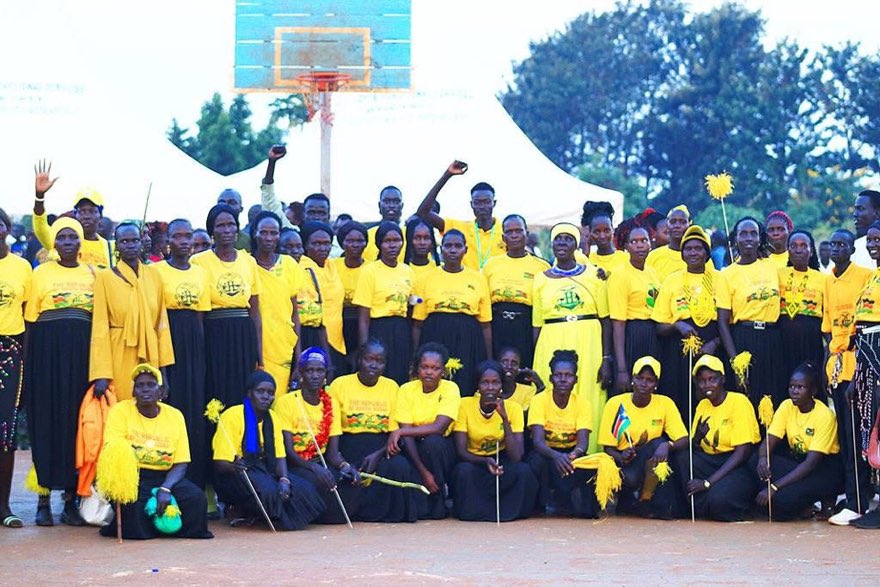
      A large group of IfP-South Sudan volunteers and participants in yellow shirts gathered together at Peace Cultural Day

      Ideas for fundraising

      • Birthday fundraiser

        Ask for gifts to IfP-South Sudan instead of presents.

      • Group campaign

        Rally your school, university, alumni network, or workplace around the mission.

      • Community event

        Host a dinner, concert, or gathering in your local community.

      • Personal challenge

        Run, climb, or take on a challenge sponsored by friends and family.

      Start a fundraiser

      Have an idea or need support? We are here to help you get started.

      Not Sure Where You Fit?

      Start a conversation.

      Tell us how you would like to help, and we will connect you with the right part of the work.

      Talk to us

      General[email protected]
      Partnerships[email protected]
      Phone+1 (813) 507-3387
      SocialFacebook · Instagram · LinkedIn

      Accountability

      Your trust matters.

      We are committed to transparent use of funds, accountability to the communities we work with, and ongoing public reporting as our organization grows.

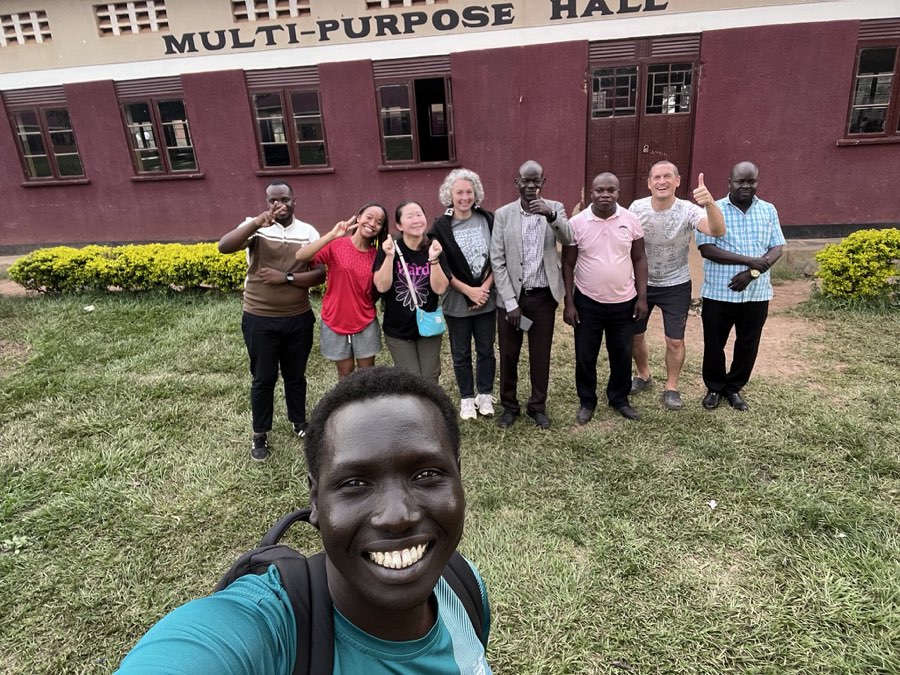
      Founder Deng Aguer Bul with international supporters and team members
      1. Responsible use of funds

        We are building systems to track and report how contributions support programs, scholarships, operations, and organizational development.

      2. Accountability to communities

        Our work is shaped with accountability to the young people, families, community leaders, and partners closest to the programs.

      3. Public reporting

        Impact reports, organizational information, and relevant financial documents are made available as our reporting systems develop.

      Scholarship Application Updates

      Your email is confirmed.

      Thank you. You are on the list for the IfP-South Sudan Scholarship Program. We will email you when applications open and when eligibility, timeline, and application details are confirmed.

      Explore the scholarshipBack to the homepage

      IfP-South Sudan Updates

      Your email is confirmed.

      Thank you for joining us. You will now receive stories, program updates, and opportunities from IfP-South Sudan, from Kiryandongo Refugee Settlement and beyond.

      Back to the homepageExplore our work

      Donate

      Help build South Sudan's next generation of peace leaders.

      Your gift supports education, peace leadership, and community-led peacebuilding led by young South Sudanese.

      Three young South Sudanese men in event shirts raise peace signs together at Peace Cultural Day

      Give With Confidence

      Your trust matters.

      We are committed to transparent use of funds, community accountability, and public reporting as IfP-South Sudan grows.

      U.S.-registered nonprofit

      IfP-South Sudan is a U.S.-registered nonprofit organization.

      Transparent reporting

      We publish information about how contributions support our programs and organizational development.

      501(c)(3) status

      Recognition is currently pending. Learn more on our Giving & Tax Information page.

      Apply

      Prepare for the first
      IfP Scholarship cohort.

      Applications are not yet open. The first cohort is planned to begin in August 2027, and full eligibility, timeline, and application requirements will be published here before applications launch.

      Applications · Not yet open

      Explore the scholarship
      A young South Sudanese woman writes carefully in a notebook during a workshop session
      August 2027First cohort
      RwandaStudy location
      15–20 scholarsPlanned cohort
      To be announcedApplications open

      Eligibility Preview

      Who this opportunity is being designed for.

      01

      South Sudanese youth

      Young South Sudanese from South Sudan and refugee communities in Uganda and Kenya.

      02

      Ready for university

      Applicants should be completing or have recently completed secondary education.

      03

      Emerging leaders

      The program will look for academic promise, character, community involvement, and commitment to peace.

      04

      Ready to learn across difference

      Scholars willing to live, learn, and grow alongside South Sudanese peers from different communities.

      Final eligibility requirements will be published before applications open.

      What You Will Be Applying For

      More than a scholarship.

      Selected scholars will pursue higher education in Rwanda while participating in IfP's Peace Leadership Program and living and learning alongside young South Sudanese from different communities.

      University education

      Pursue higher education in Rwanda.

      Cross-community cohort

      Learn alongside South Sudanese from different communities.

      Peace leadership

      Continue developing skills in dialogue, leadership, and peacebuilding.

      Community action

      Turn learning into projects that serve communities.

      Start Preparing

      Applications are
      not open yet.
      Preparation can begin now.

      Use this time to get ready. When applications open, applicants are expected to be asked for the following information and materials. The final list will be confirmed when applications launch.

      Documents to begin organizing

      • Academic records or transcripts
      • Personal statement preparation (your story, goals, and interest in peace and leadership)
      • References from teachers, mentors, or community leaders
      • Basic personal and background information

      Selection Process

      What happens after you apply.

      A transparent process, reviewed against published criteria.

      01Apply

      Submit your application during the published window.

      02Review

      Applications are reviewed against published criteria.

      03Interview

      Shortlisted applicants are invited to speak with the selection team.

      04Selection & preparation

      Selected scholars begin preparing for university and the program.

      Key Dates

      The road to August 2027.

      Applications openTo be announced
      Applications closeTo be announced
      InterviewsTo be announced
      Final selectionTo be announced
      August 2027First cohort begins

      Stay Informed

      Do not miss the application window.

      Join the application update list and we will send the opening date, eligibility criteria, timeline, and application instructions when they are released.

      Applications are not currently open.

      Questions

      What applicants usually
      want to know.

      Who will be eligible?

      Young South Sudanese completing or recently completing secondary education who show academic promise, leadership potential, and a commitment to peace. Full eligibility requirements will be announced before applications open.

      Will the scholarship be fully funded?

      The scholarship is designed to be fully funded, covering university tuition, accommodation, travel to Rwanda, and the peacebuilding and leadership program, so that cost is not the reason a capable young person cannot take part.

      When will applications open?

      Applications for the first cohort, planned to begin in August 2027, will open on this website. Join the application update list and we will share the opening date, eligibility requirements, timeline, and instructions as soon as they are finalized.

      See all Scholarship FAQs

      Transparency & Accountability

      Accountable to the people
      we serve — and to you.

      Trust is built through openness. As IfP-South Sudan grows, we are committed to sharing how we are governed, how resources are used, what our programs accomplish, and what we are still building.

      Young people seated around a table outdoors in discussion, with pens and paper in front of them
      • U.S. registered

        A nonprofit organization registered in Florida.

      • Board governed

        Oversight, accountability, and strategic guidance.

      • Impact reporting

        Program results and reports shared publicly.

      • Financial transparency

        Clear and responsible reporting as the organization grows.

      Governance

      How IfP-South Sudan is governed.

      IfP-South Sudan is a U.S.-registered nonprofit organization led by a South Sudanese team and governed by a Board of Directors. The Board provides oversight, accountability, and strategic guidance, while the Executive Director and program team lead the organization’s day-to-day work and program delivery.

      Board member Olatundun Janet Adelegan speaking at a conference
      Cover of the IfP-South Sudan 2025 Impact Report

      Reports

      Our 2025 Impact Report.

      Our 2025 Impact Report documents the first Peace Cultural Day and Youth Empowerment Workshops in Kiryandongo Refugee Settlement, along with key lessons and milestones from our early work.

      Future annual reports and financial summaries will be added here as they are published.

      Where Your Support Goes

      Your support helps make the work possible.

      Donations help IfP-South Sudan expand education, community peacebuilding, youth leadership, and the systems needed to deliver these programs responsibly.

      1. Education & Scholarships

        University education and the development of the IfP-South Sudan Scholarship Program.

      2. Community Peacebuilding

        Peace Cultural Days, workshops, dialogue, and locally led activities that bring communities together.

      3. Peace Education & Leadership

        School programs, leadership development, theatre, facilitation, and youth-led peace projects.

      4. Organizational Capacity

        The systems, administration, partnerships, technology, and operations needed to deliver and grow the work responsibly.

      Detailed financial statements and program-spending breakdowns will be published as annual reporting becomes available.

      Organizational Information

      Organizational details.

      Legal name
      Initiative for Peace - South Sudan
      Organization type
      Florida nonprofit corporation
      EIN
      42-4639819
      State of registration
      Florida, United States
      Tax status
      501(c)(3) recognition pending
      Governance
      Board of Directors

      Safeguarding & Dignified Storytelling

      Protecting the people in our programs.

      We are committed to representing participants with dignity, agency, and informed consent. Program photography and stories are shared with permission, and additional consent is required when participants are minors.

      Participants may request that their image or story be removed from our public communications by contacting us.

      Our full safeguarding policy will be published here as it is finalized.

      Privacy & Data

      Your information is yours.

      We collect only the information necessary to respond to inquiries, manage subscriptions, process donations, and operate our website. We do not sell personal information for marketing purposes.

      This website is served by Cloudflare, which processes standard technical logs to deliver and protect the site. If you give online, subscribe to updates, or send us a message through the contact form, the provider handling that service processes the details needed to complete it. You can ask us to update or delete your information at any time at [email protected].