Peace Education in Schools
Taking peace education into classrooms and campuses.
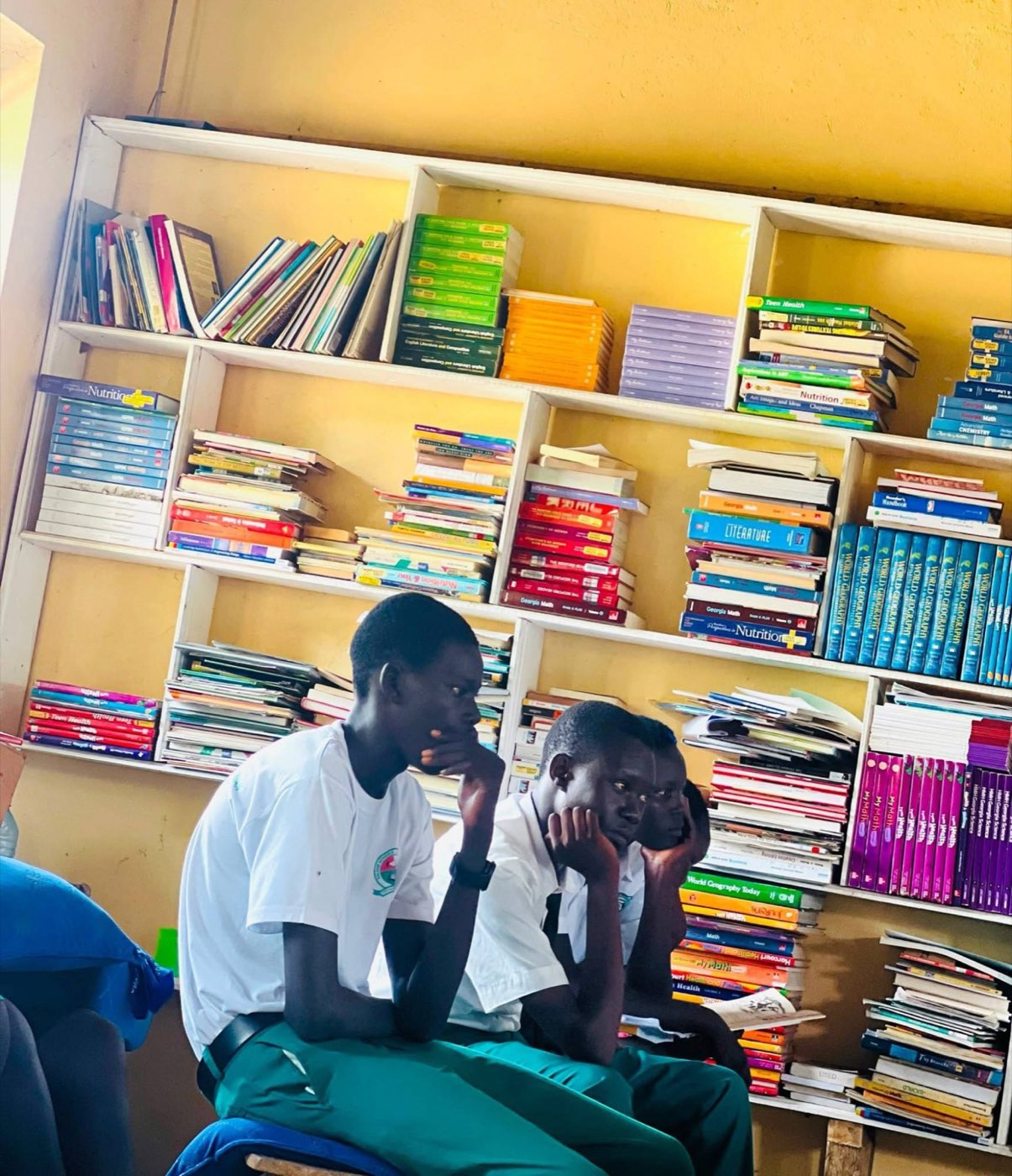
Schools and universities bring together the generation shaping South Sudan's future. IfP-South Sudan's Peace Education in Schools program is designed to bring structured dialogue, peacebuilding, and leadership learning into those spaces — helping young people understand difference, navigate conflict, and lead within their communities.
How It Works
More than a workshop. A pathway to student leadership.
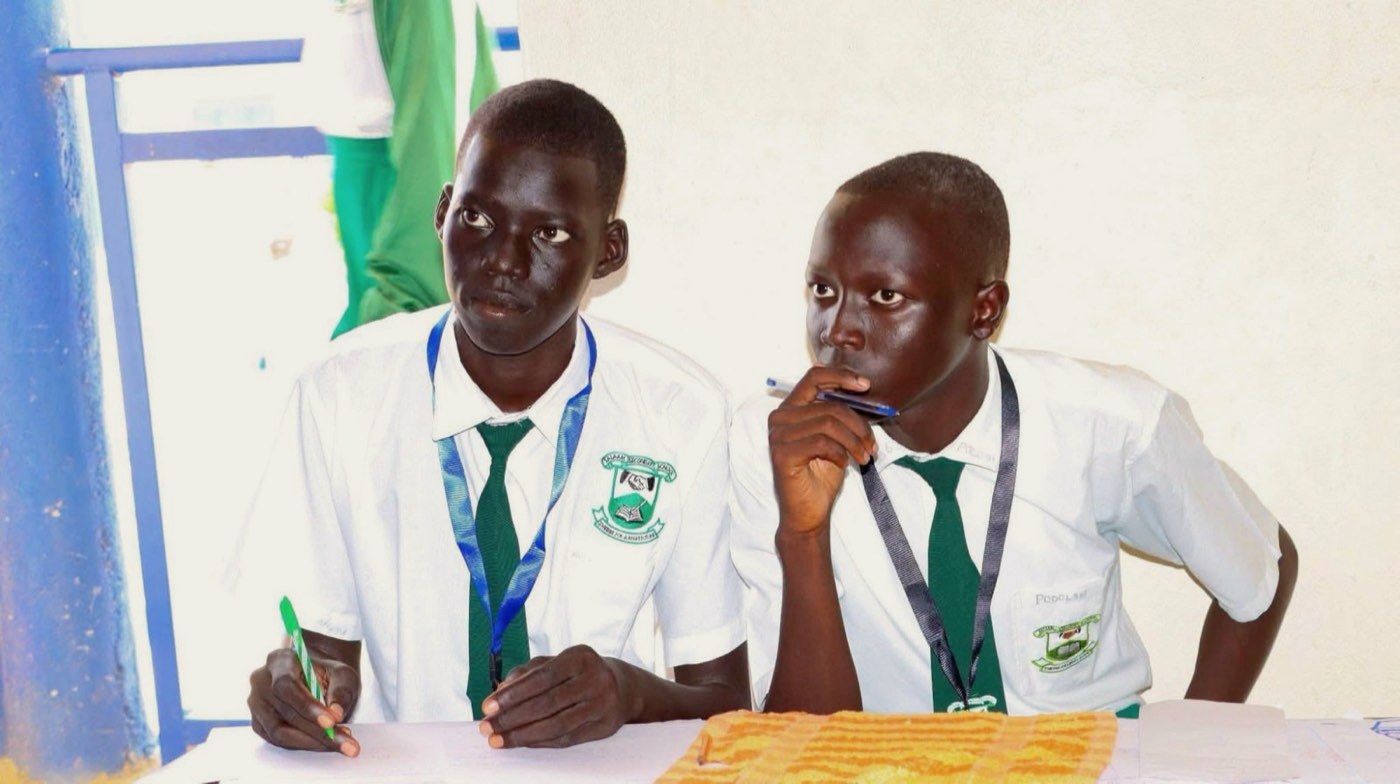
Our sessions are built around participation, not lectures. Students move from understanding themselves and others to practicing the skills needed to respond constructively to difference and conflict.
Explore
Students examine identity, belonging, conflict, stereotypes, empathy, and how division takes root.
Dialogue
Facilitated conversations help students listen across differences and practice constructive disagreement.
Build skills
Students develop practical skills in communication, mediation, conflict transformation, storytelling, and leadership.
Take action
Students turn learning into peace activities, dialogue, campaigns, and initiatives within their schools and communities.
Why Schools
Reach a generation where it already gathers.
Schools and universities are places where young people learn, question, and grow alongside one another. Peace education can help students examine inherited divisions, build relationships across difference, and practice the skills they will carry into their communities and future leadership.
Where We Work
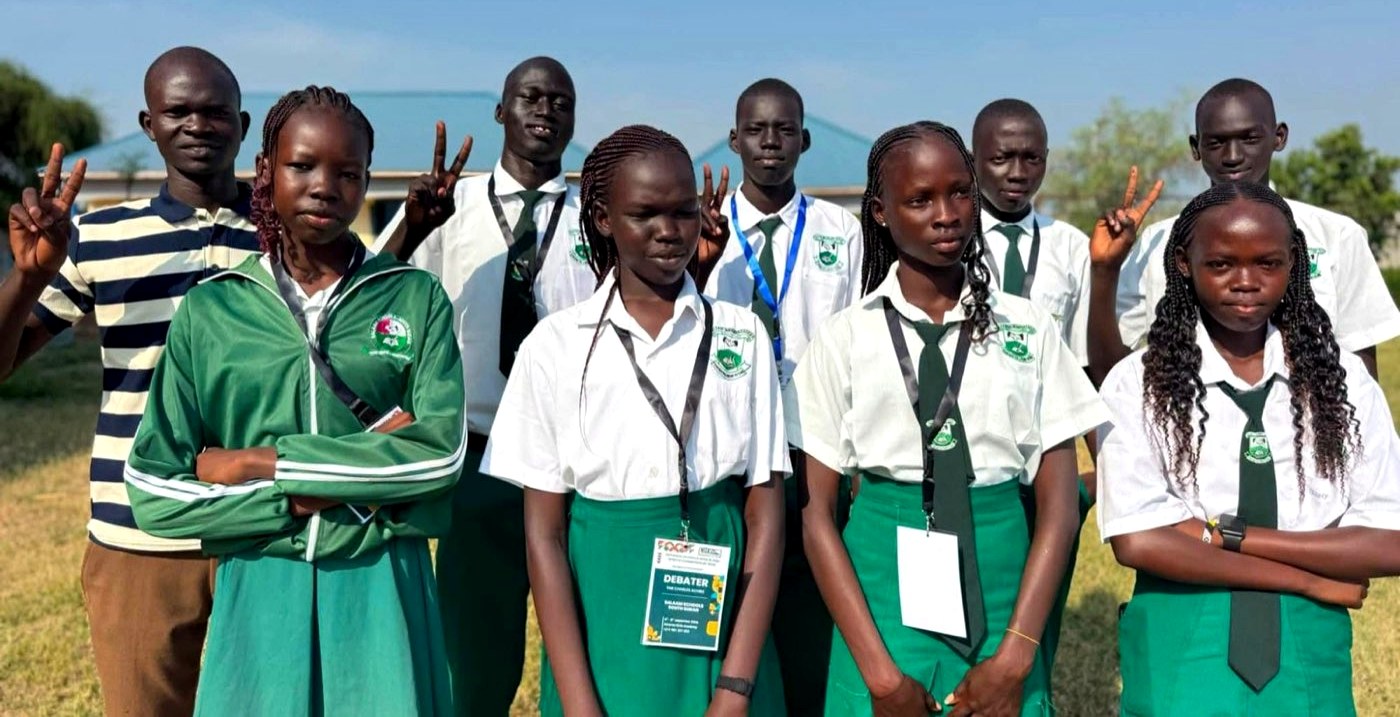
Designed for secondary schools and universities.
Introducing peacebuilding at an age when young people are forming their understanding of identity, community, leadership, and belonging.
Engaging emerging professionals and leaders who can carry peacebuilding into campuses, workplaces, institutions, and communities.
Beyond the Classroom
The goal is not simply to teach peace.
It is to grow peace leaders.
A workshop can begin a conversation. The deeper goal is to equip young people to continue it — leading dialogue, creating peace activities, challenging division, and helping build cultures of understanding within their schools and communities.
The goal is not to leave a school with students who attended a peace workshop. It is to leave with young people who see themselves as capable of building peace.
Learn → Lead → Act