Why South Sudan
The world's youngest
country deserves
a future its young
people can shape.
Conflict and displacement have disrupted education, separated communities, and limited opportunity for generations. But South Sudan's young people continue to carry the ambition, resilience, and leadership needed to build something different.
A generation full of possibility — interrupted.
For generations, conflict has displaced South Sudanese families, disrupted education, and separated communities across the country and the region. Many young people have grown up far from the places their families once called home, including in Kiryandongo Refugee Settlement.
The effects reach beyond where people live. Displacement can limit access to education and opportunities to learn alongside young people from other South Sudanese communities, build relationships, and develop as leaders.
But conflict is not the whole story.
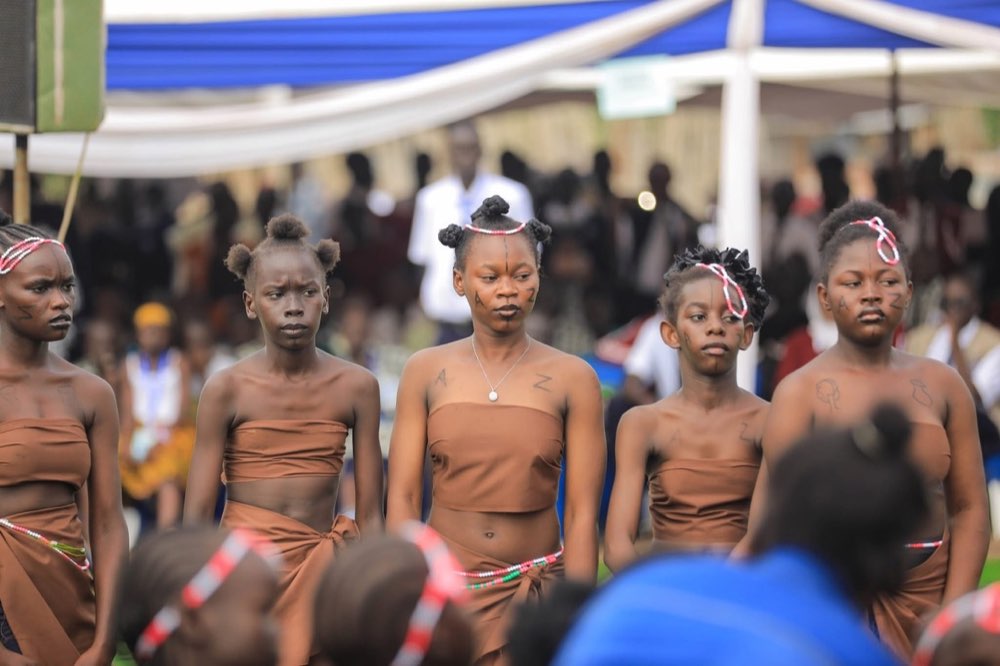
Young South Sudanese carry ambition, creativity, cultural pride, resilience, and ideas for the future of their communities.
They do not need to be told that they are capable. They need the opportunity to show what they can do.
That means expanding access to education while creating opportunities to learn across differences, build relationships, develop as leaders, and turn learning into action.
The Challenge
Potential is everywhere. Opportunity is not.
South Sudan's young population represents extraordinary possibility, but conflict and displacement have shaped the opportunities available to millions. Three realities help explain why investing in this generation matters now.
- The Youngest Nation2011
South Sudan gained independence in 2011, becoming the world's youngest internationally recognized country.
- The Cost of Conflict4M+
More than four million South Sudanese have been displaced by conflict since 2013, including millions of children and young people whose education, communities, and sense of home have been disrupted.
- The Generation Ahead7 in 10
Roughly seven in ten South Sudanese are under thirty. The generation that will inherit the country's challenges — and shape its future — is already here.