Peace Through Theatre
Some conversations
begin with a story.
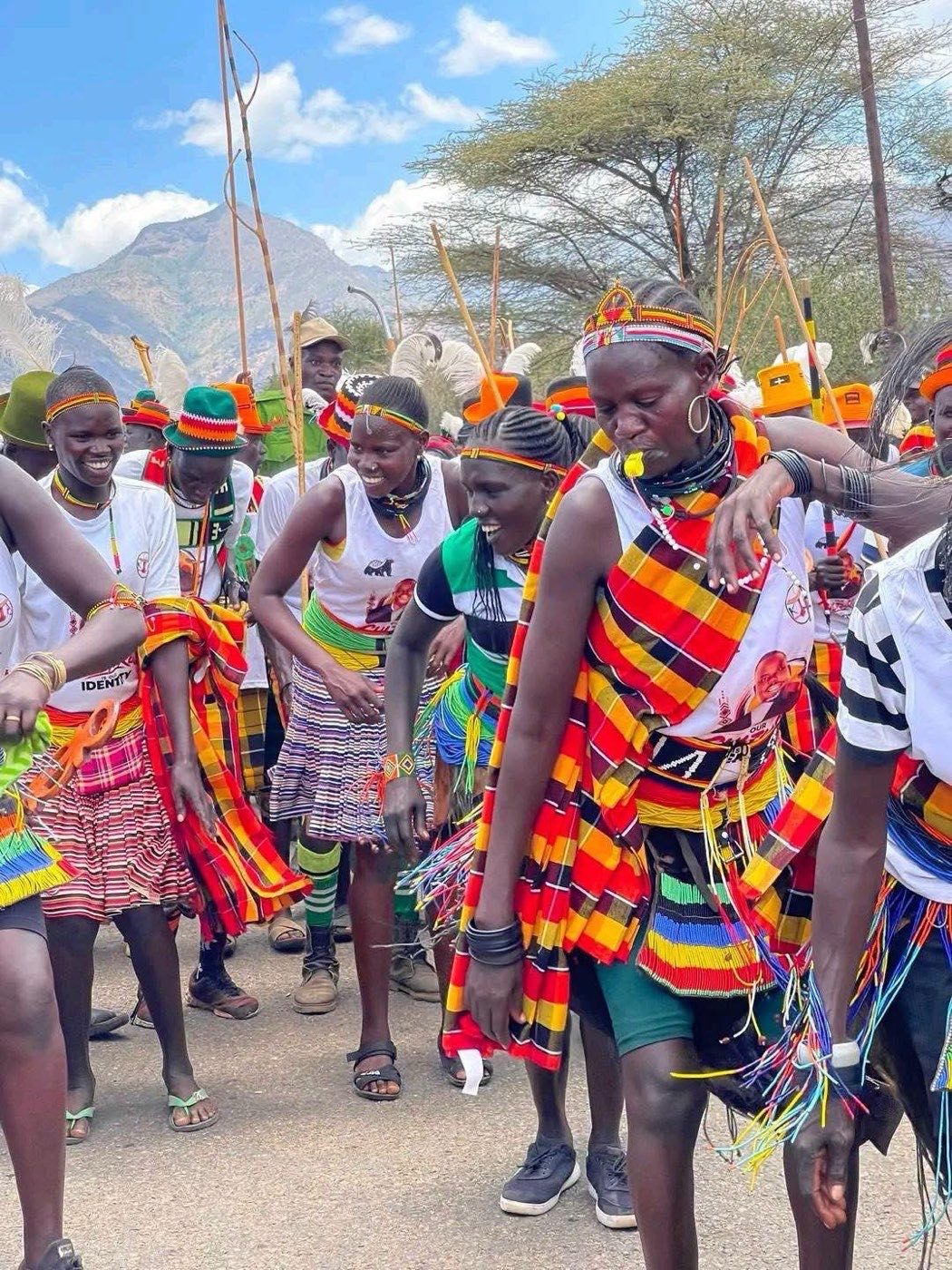
Young people from different communities create and perform stories about conflict, forgiveness, and peace.
Where It Began
It began with a peace play.
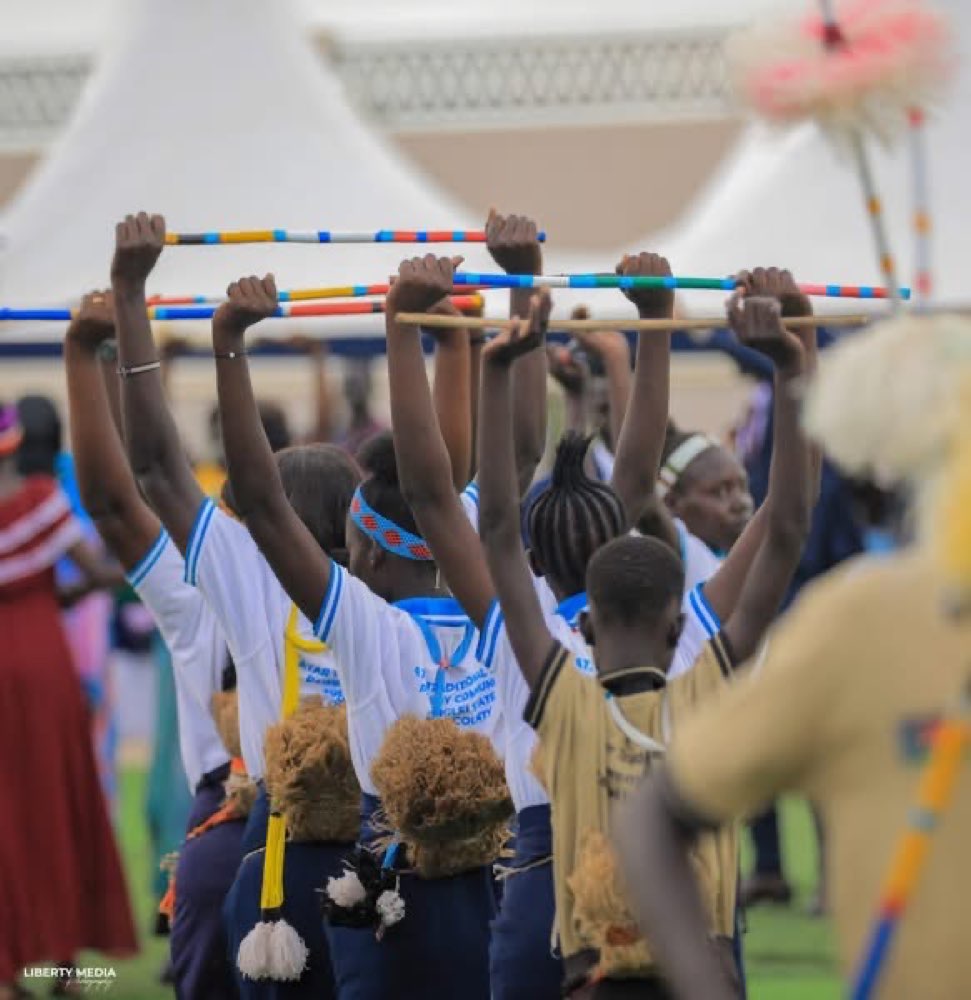
The idea was first tested by bringing secondary-school students from different South Sudanese communities together to perform scenes exploring division, displacement, reconciliation, identity, forgiveness, and unity.
But the performance was only part of the idea. Young people who might otherwise have remained separated had to create together, rehearse together, listen to one another, and eventually stand on the same stage.
Peace Through Theatre grows from that experience: developing a youth ensemble that can create performances rooted in South Sudanese experiences and bring them wherever communities gather.
Why Theatre
Because some conversations are easier to enter through a story.
Conflict is personal. So are identity, displacement, grief, forgiveness, and belonging. Theatre gives young people a way to explore these experiences without turning every conversation into a lecture or debate.
On stage, an audience can recognize parts of their own experience, encounter another perspective, and consider what could have happened differently. A character can ask what someone may be afraid to ask. A story can open a conversation without turning it into an accusation.
The performance is not the end of the conversation. It is how the conversation begins.
How It Works
The performance is only one part of the peacebuilding.
From lived experience to public conversation — each stage is itself a form of peacebuilding.
Create
Tell stories that matter.Young people turn lived experiences of identity, conflict, displacement, belonging, and reconciliation into stories.
Rehearse across differences
Build something together.Creating together requires listening, trust, disagreement, compromise, and collaboration.
Perform for communities
Take the story to the people.Performances bring these stories into schools, cultural events, ceremonies, and community gatherings.
Open the conversation
Do not end at the final scene.Each performance creates space for audiences to reflect, respond, and continue the conversation.
Where We Are Going
From one peace play to a youth peace ensemble.
Our long-term vision is to develop a cross-community group of young South Sudanese performers who can create original peace-focused theatre and bring it wherever people gather.
Supporting peace education and student dialogue.
Stories rooted in issues communities are navigating.
Taking peace-focused stories where people already gather.
Theatre as part of wider community peacebuilding.