Our Approach
Peace grows when
young people have the
opportunity to truly
know and understand
one another.
South Sudan's divisions cannot be addressed through workshops alone. Young people need opportunities to spend meaningful time together across community lines — learning from one another, building relationships, developing as leaders, and turning that experience into action within their communities.
That is why IfP-South Sudan brings peacebuilding, education, culture, and leadership together as one connected journey.
The Core Idea
One journey. Connect. Learn. Lead. Give back.
Our programs are designed as one connected journey — bringing young South Sudanese together across communities, building understanding through education, developing them as peace leaders, and supporting them to carry that work back into society.
Connect
Learn
Lead
Give back
Peace starts with encounter.
Young people from different South Sudanese communities meet through cultural events, schools, theatre, dialogue, and community activities — often creating relationships that did not exist before.
Understanding grows through education.
Workshops, dialogue, cultural exchange, and the IfP Scholarship create spaces where young people learn about one another while developing skills in peacebuilding, leadership, identity, and conflict transformation.
Participants become peacebuilders.
Young people move from participating in peace activities to leading them — developing the confidence, knowledge, and networks to influence their schools, communities, and country.
Leadership returns to the community.
Scholars and participants put what they have learned into practice through peace projects, school workshops, theatre, dialogue, community campaigns, and other locally led initiatives.
One Model. Different Pathways.
Every program moves toward the same goal.
Connect, Learn, Lead, and Give Back are not four separate programs — they are stages that each of our programs contributes to. Some pathways begin with a single day of encounter; the scholarship carries a young person through the whole journey.
Teal marks the stages each program delivers; gold marks where leadership returns to the community.
What Makes Our Approach Different
Four commitments behind every program.
Whatever form a program takes, these commitments stay constant.
- 01Cross-community by design
We intentionally create opportunities for young people from different South Sudanese communities to learn and work together.
- 02Education as peacebuilding
We do not separate academic opportunity from peace education. Learning together is itself part of building peace.
- 03Youth as leaders, not beneficiaries
Young people are not simply recipients of programs. They are trained and trusted to become peacebuilders themselves.
- 04From participation to action
Every pathway is designed to move beyond dialogue toward leadership and community action.
See the Approach in Action
Explore the programs putting this model to work.
Community Peacebuilding
Creating spaces where communities meet across differences.
Peace becomes possible when people have opportunities to know one another. Our community work brings South Sudanese together across community lines to share culture, exchange experiences, have difficult conversations, and build relationships rooted in dignity and mutual understanding.
Culture & Connection
Peace Cultural Days
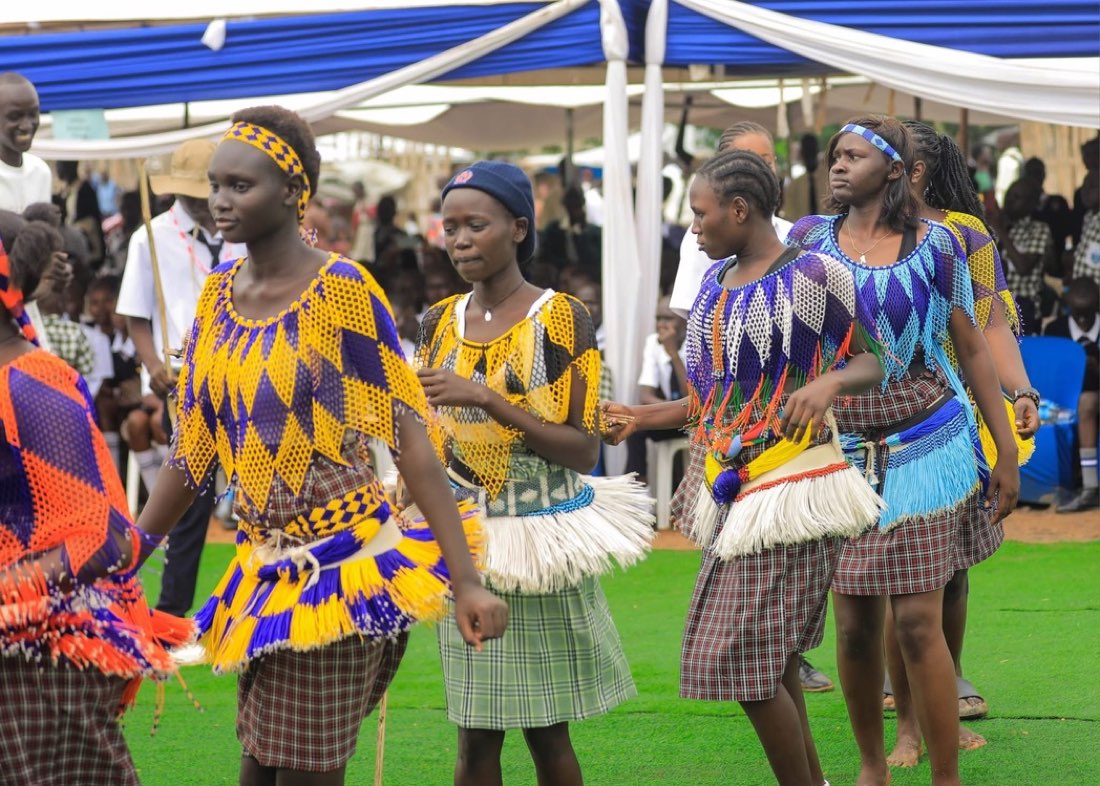
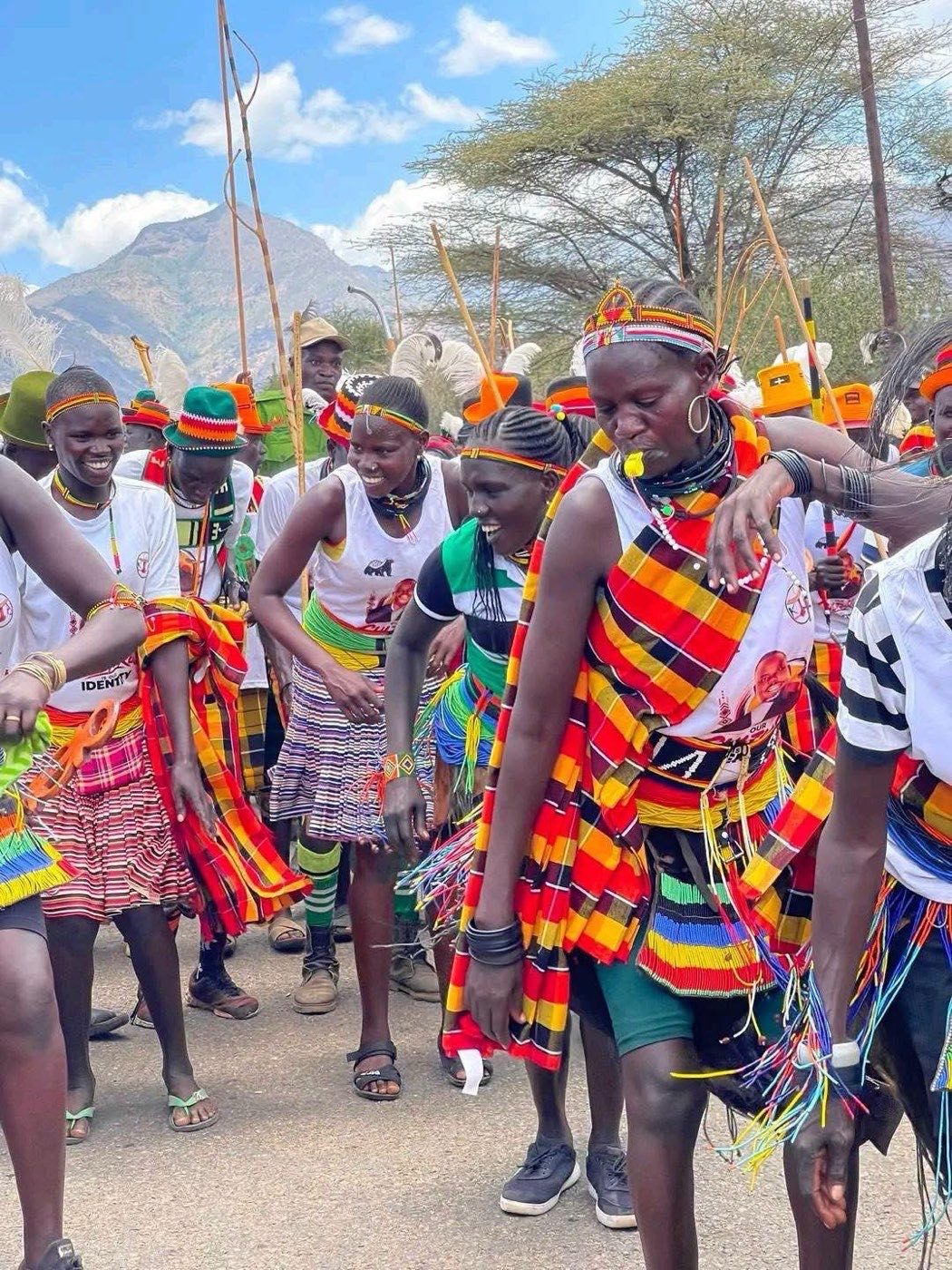
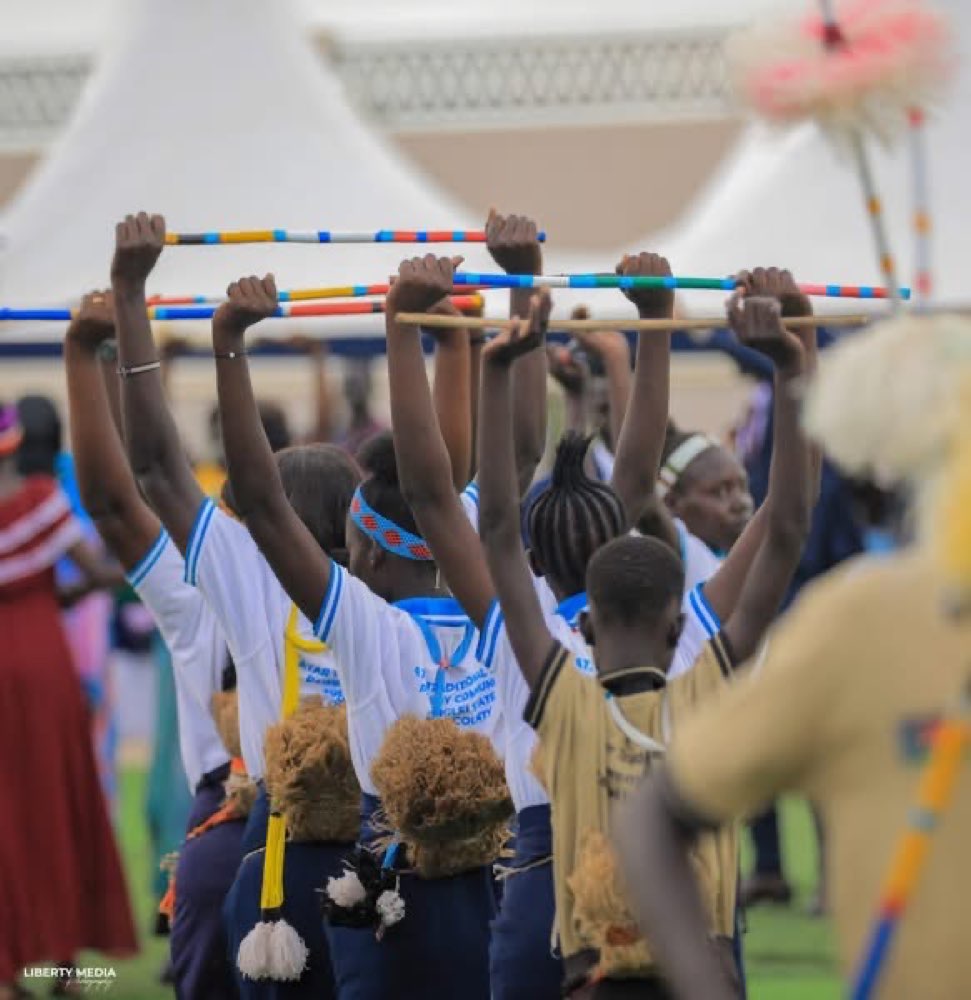
Peace Cultural Days bring different South Sudanese communities into one shared space through music, dance, drama, poetry, storytelling, food, dialogue, and the participation of community elders. Culture becomes a starting point for connection — allowing people to celebrate what makes each community distinct while discovering what they share.
These gatherings are designed to create encounters that may not happen in everyday life, and to make peace visible, communal, and rooted in traditions people already understand and value.
Dialogue & Action
Community Peace Workshops & Activities
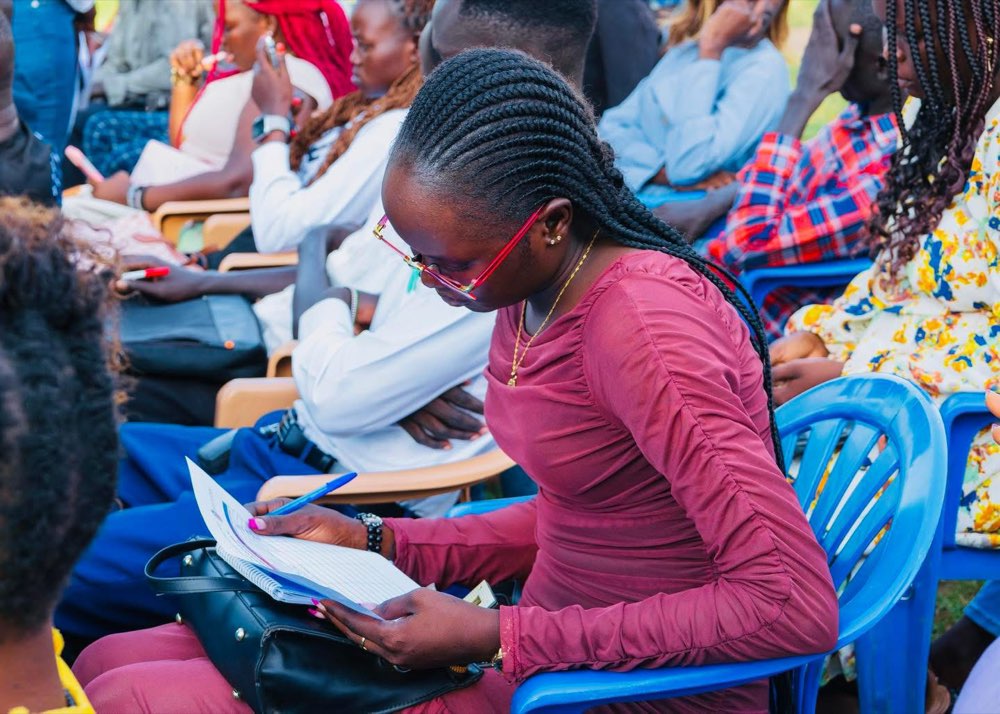
Our community workshops create smaller spaces for deeper learning, dialogue, and practical peacebuilding. Through facilitated conversations, role-play, storytelling, cultural exchange, and participatory activities, young people explore identity, conflict, leadership, communication, and ways of responding constructively to division.
The work can take different forms depending on the community — from structured peace workshops and inter-community dialogue to youth-led campaigns, exchanges, and local peace activities. The goal remains the same: equip people not only to talk about peace, but to practice it where they live.
How We Work
Peacebuilding rooted in the community.
The form can change. The purpose does not. No two communities need exactly the same activity, so we work with young people, elders, educators, and local leaders to shape the work around local realities — while keeping one purpose at the center.
Cross-community
We intentionally create spaces where people from different South Sudanese communities can meet, learn from one another, and build relationships.
Culturally rooted
Music, dance, storytelling, dialogue, and tradition are not additions to the work — they are the ways communities connect, communicate, and heal.
Youth-led
Young people are not only participants. They shape activities, lead conversations, and carry peacebuilding into their own communities.
Community-guided
Elders and local leaders bring knowledge, trust, and cultural legitimacy that ground the work in the communities it serves.
Peace Education in Schools
Taking peace education into classrooms and campuses.
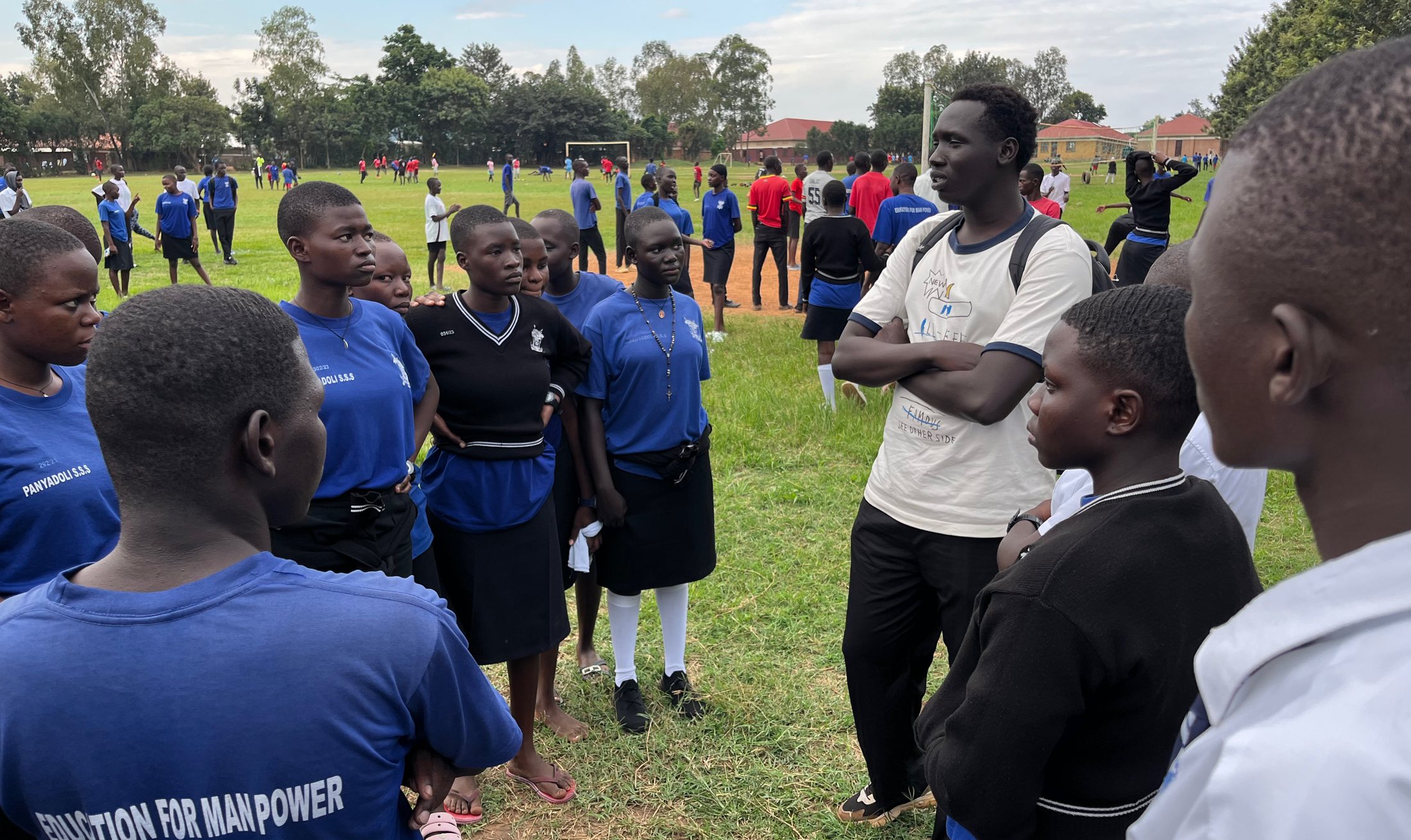
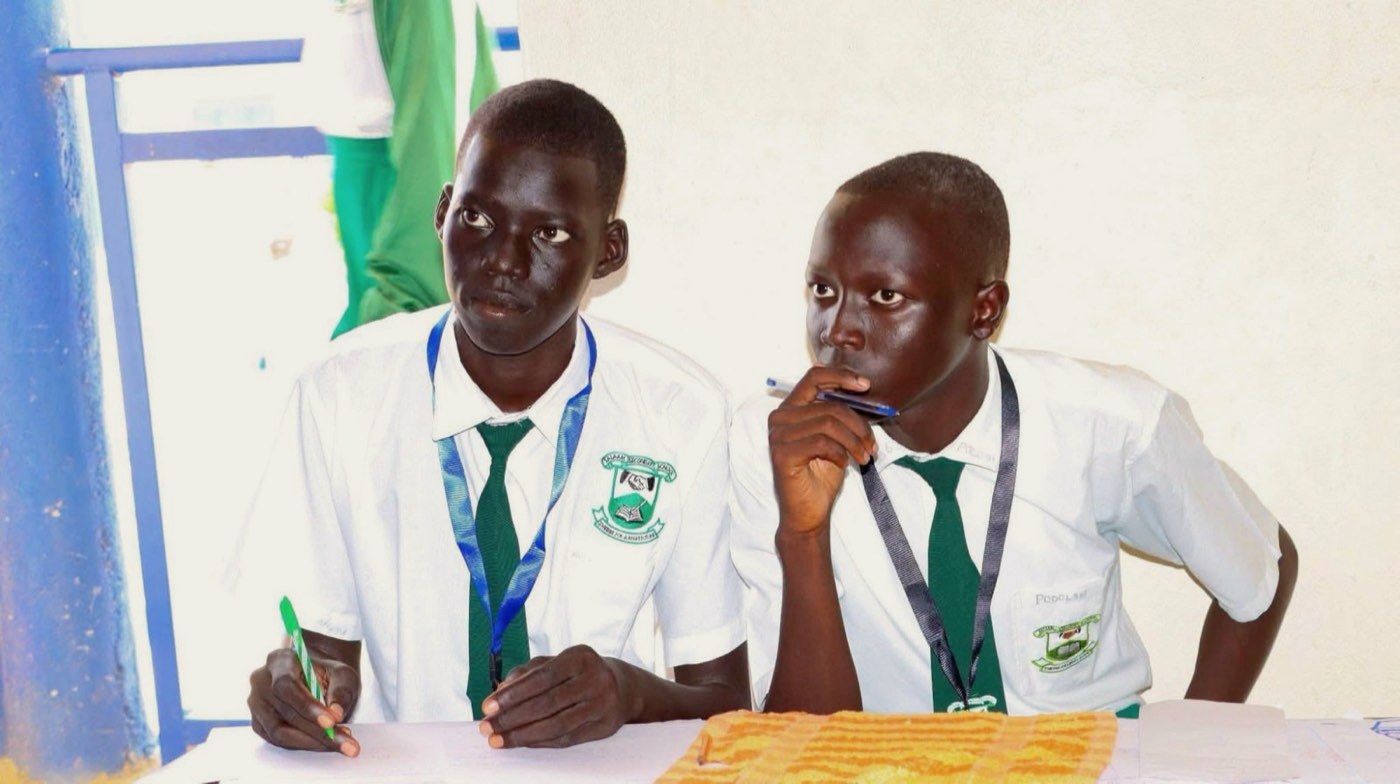
Schools and universities bring together the generation shaping South Sudan's future. IfP-South Sudan's Peace Education in Schools program is designed to bring structured dialogue, peacebuilding, and leadership learning into those spaces — helping young people understand difference, navigate conflict, and lead within their communities.
How It Works
More than a workshop. A pathway to student leadership.
Our sessions are built around participation, not lectures. Students move from understanding themselves and others to practicing the skills needed to respond constructively to difference and conflict.
Explore
Students examine identity, belonging, conflict, stereotypes, empathy, and how division takes root.
Dialogue
Facilitated conversations help students listen across differences and practice constructive disagreement.
Build skills
Students develop practical skills in communication, mediation, conflict transformation, storytelling, and leadership.
Take action
Students turn learning into peace activities, dialogue, campaigns, and initiatives within their schools and communities.
Why Schools
Reach a generation where it already gathers.
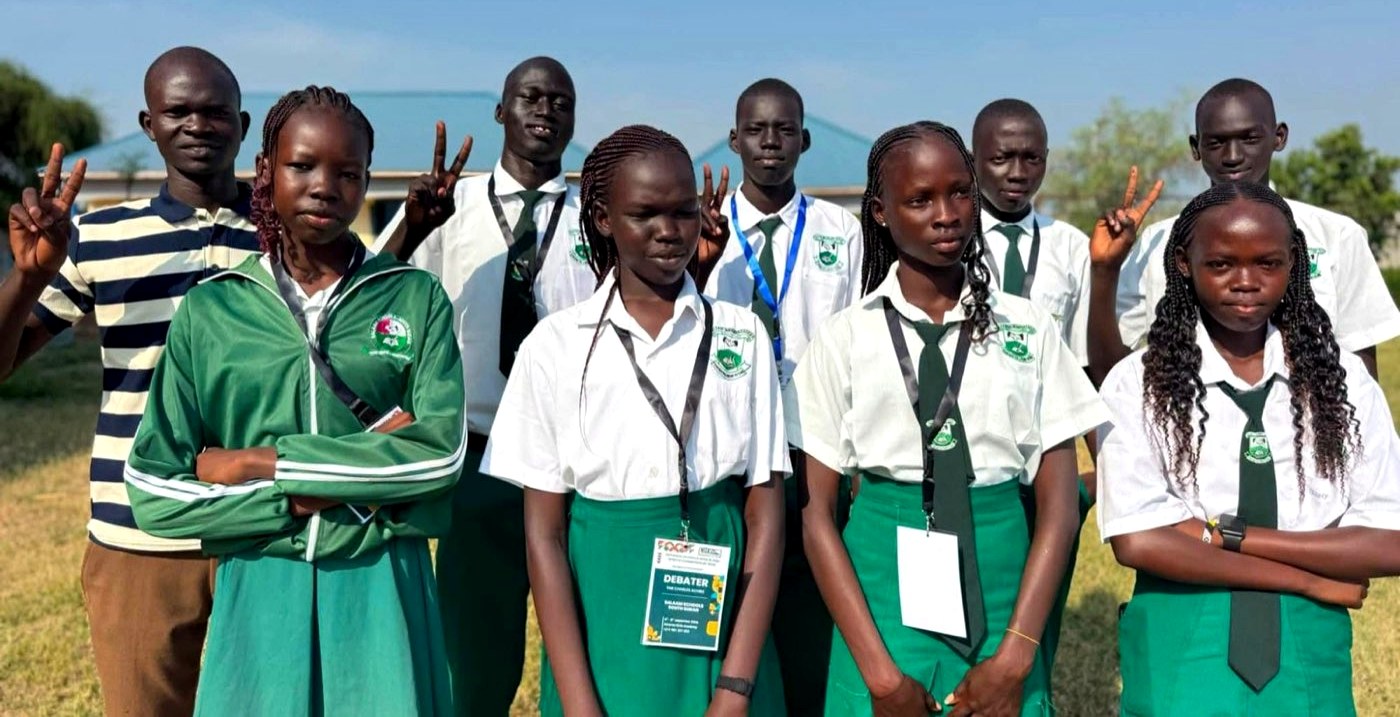
Schools and universities are places where young people learn, question, and grow alongside one another. Peace education can help students examine inherited divisions, build relationships across difference, and practice the skills they will carry into their communities and future leadership.
Where We Work
Designed for secondary schools and universities.
Introducing peacebuilding at an age when young people are forming their understanding of identity, community, leadership, and belonging.
Engaging emerging professionals and leaders who can carry peacebuilding into campuses, workplaces, institutions, and communities.
Beyond the Classroom
The goal is not simply to teach peace.
It is to grow peace leaders.
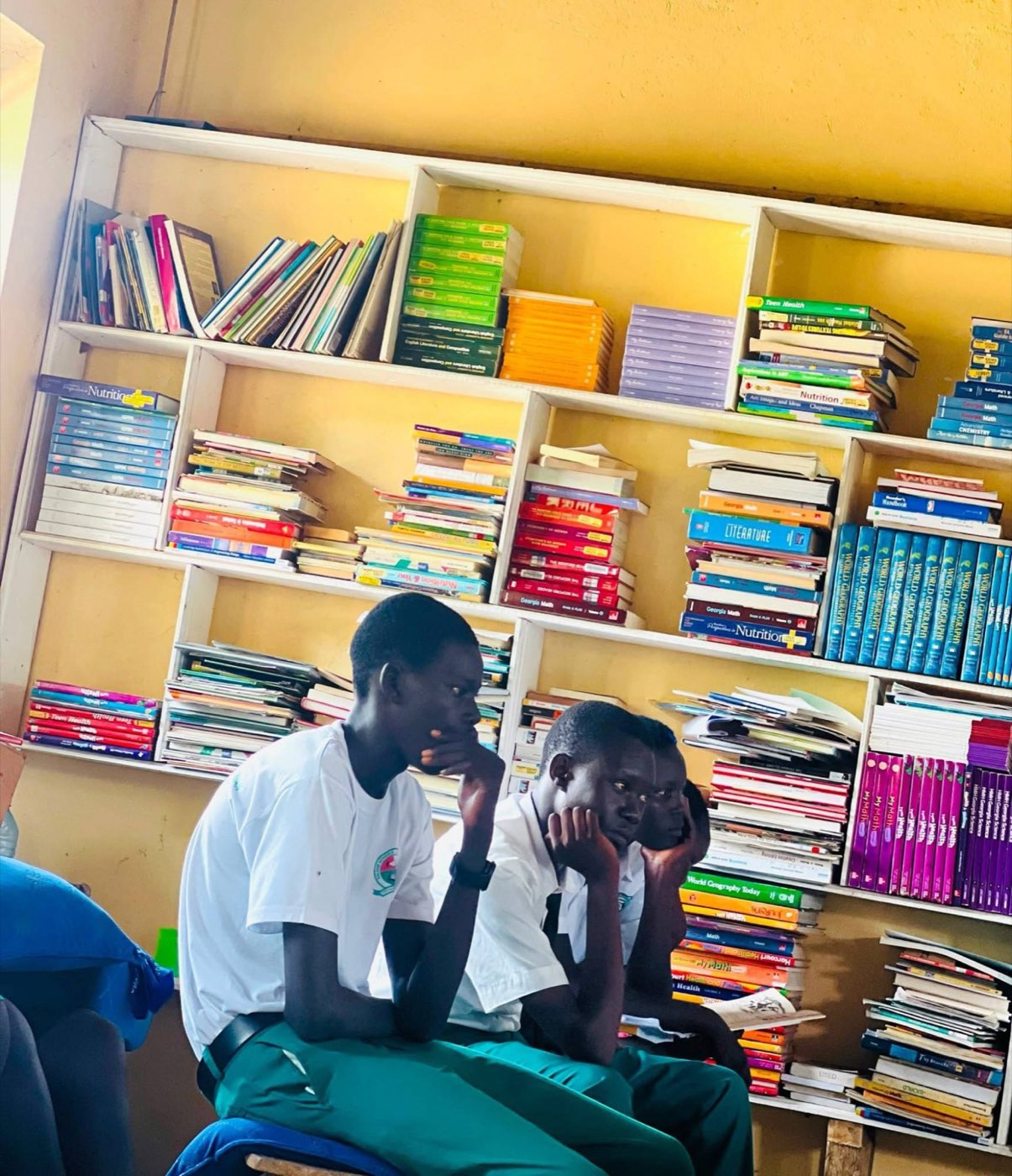
A workshop can begin a conversation. The deeper goal is to equip young people to continue it — leading dialogue, creating peace activities, challenging division, and helping build cultures of understanding within their schools and communities.
The goal is not to leave a school with students who attended a peace workshop. It is to leave with young people who see themselves as capable of building peace.
Learn → Lead → Act
Peace Through Theatre
Some conversations
begin with a story.
Young people from different communities create and perform stories about conflict, forgiveness, and peace.
Where It Began
It began with a peace play.
The idea was first tested by bringing secondary-school students from different South Sudanese communities together to perform scenes exploring division, displacement, reconciliation, identity, forgiveness, and unity.
But the performance was only part of the idea. Young people who might otherwise have remained separated had to create together, rehearse together, listen to one another, and eventually stand on the same stage.
Peace Through Theatre grows from that experience: developing a youth ensemble that can create performances rooted in South Sudanese experiences and bring them wherever communities gather.
Why Theatre
Because some conversations are easier to enter through a story.
Conflict is personal. So are identity, displacement, grief, forgiveness, and belonging. Theatre gives young people a way to explore these experiences without turning every conversation into a lecture or debate.
On stage, an audience can recognize parts of their own experience, encounter another perspective, and consider what could have happened differently. A character can ask what someone may be afraid to ask. A story can open a conversation without turning it into an accusation.
The performance is not the end of the conversation. It is how the conversation begins.
How It Works
The performance is only one part of the peacebuilding.
From lived experience to public conversation — each stage is itself a form of peacebuilding.
Create
Tell stories that matter.Young people turn lived experiences of identity, conflict, displacement, belonging, and reconciliation into stories.
Rehearse across differences
Build something together.Creating together requires listening, trust, disagreement, compromise, and collaboration.
Perform for communities
Take the story to the people.Performances bring these stories into schools, cultural events, ceremonies, and community gatherings.
Open the conversation
Do not end at the final scene.Each performance creates space for audiences to reflect, respond, and continue the conversation.
Where We Are Going
From one peace play to a youth peace ensemble.
Our long-term vision is to develop a cross-community group of young South Sudanese performers who can create original peace-focused theatre and bring it wherever people gather.
Supporting peace education and student dialogue.
Stories rooted in issues communities are navigating.
Taking peace-focused stories where people already gather.
Theatre as part of wider community peacebuilding.
Peace Leadership Program
A degree opens doors.
Leadership changes
what happens next.
Alongside their university studies, IfP scholars will take part in an ongoing peace and leadership program — building the skills, relationships, and experience to lead across difference and serve their communities.
Begins with the first scholarship cohort · August 2027
How It Fits
University education and
peace leadership, side by side.
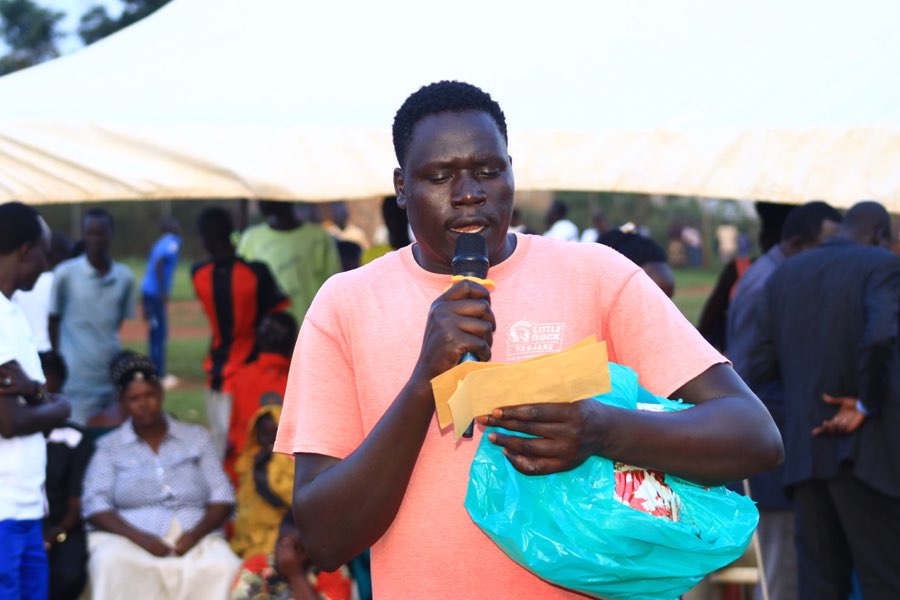
The IfP Scholarship Program creates access to higher education. The Peace Leadership Program runs alongside that journey, giving scholars a shared space to understand conflict, build relationships across difference, practice dialogue, and turn learning into community action.
The Learning Experience
Leadership is something
scholars practice.
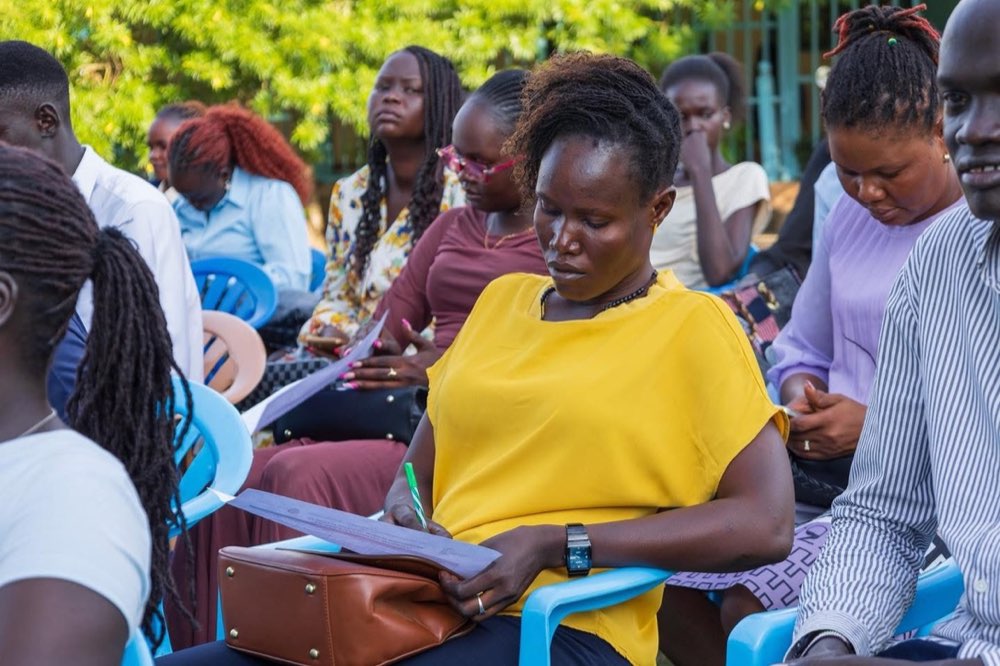
Through workshops, dialogue, and real-world projects, scholars develop the knowledge, skills, and habits to lead in their communities.
Understand conflict
Explore identity, conflict, reconciliation, and the experiences that shape how communities understand one another.
Practice dialogue
Build skills in listening, storytelling, conflict resolution, facilitated dialogue, and communicating across difference.
Learn to lead
Develop confidence, collaboration, ethical leadership, reflection, and the ability to bring people together around shared challenges.
Turn learning into action
Develop community peace projects where scholars can put their learning into practice.
From Learning to Leadership
The journey moves outward.
Scholars begin by learning about themselves and one another. Over time, that learning moves beyond the cohort and into the communities they hope to serve.
Learn
Build an understanding of identity, conflict, peacebuilding, and leadership.
Practice
Use dialogue, storytelling, simulations, and collaboration to practice leading across difference.
Lead
Take responsibility for designing and carrying out meaningful peacebuilding work.
Give back
Carry relationships, skills, and leadership into communities beyond the program.
Our View of Leadership
Not leadership over others.
Leadership with others.
For IfP-South Sudan, a peace leader is not simply someone with a title. It is someone who can listen across difference, bring people into conversation, act with responsibility, and help communities find common ground.
Listen before leading.
Understand before judging.
Build trust before asking for change.
Turn learning into service.
Where the Journey Leads
Learning becomes leadership
when it leaves the room.
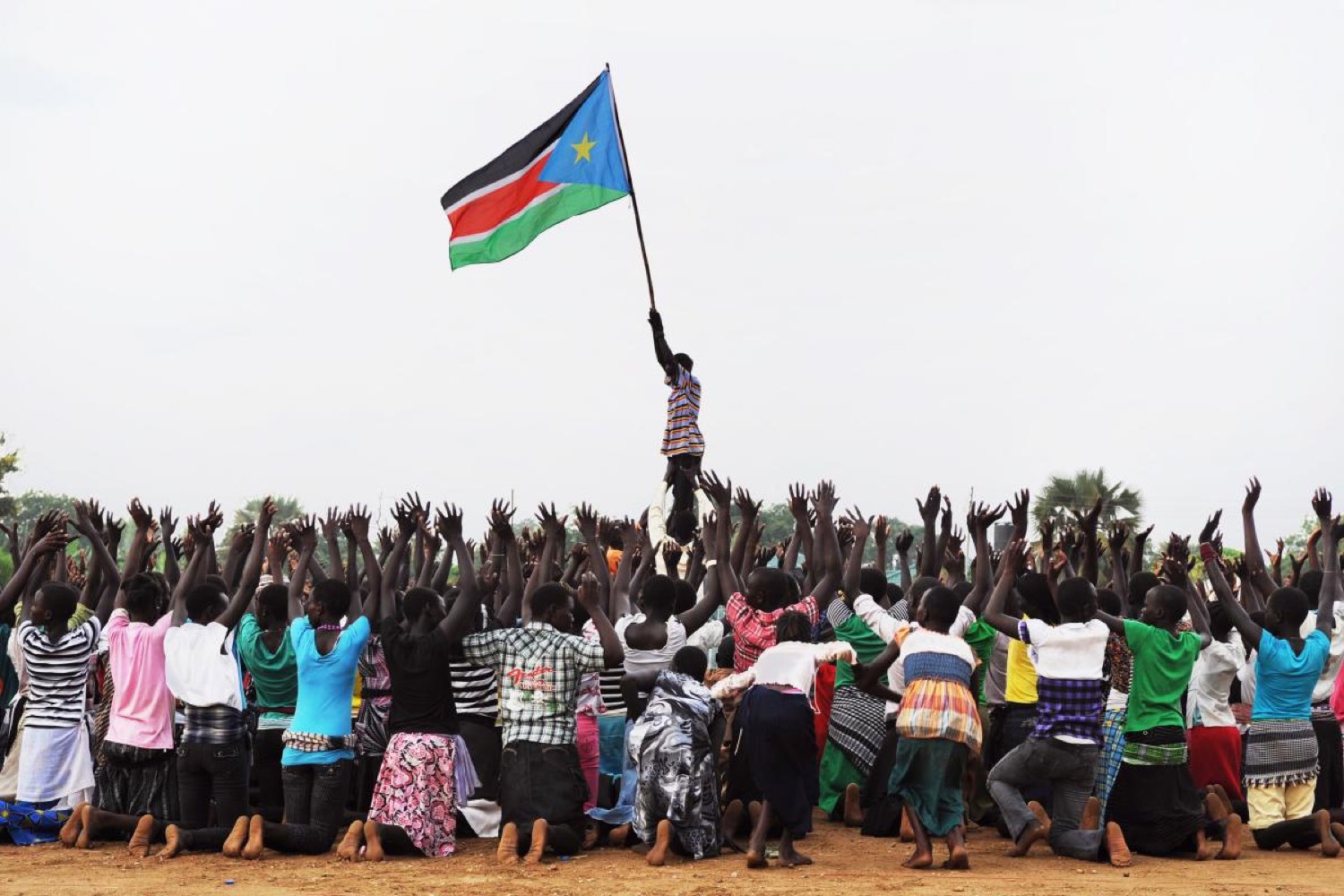
What scholars learn together should not stay within the cohort. The relationships, skills, and habits of leadership they build are meant to travel with them — into universities, communities, organizations, and the future of South Sudan.
Explore the IfP Scholarship Program →